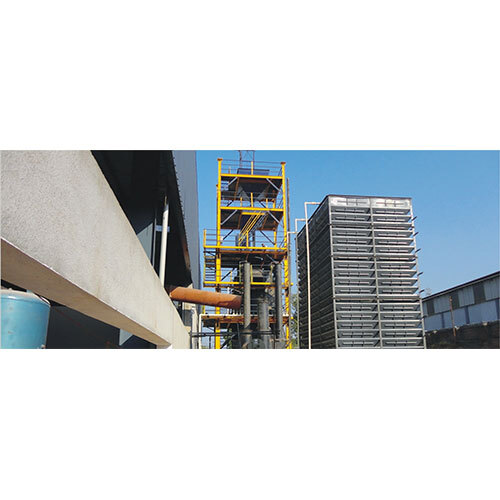
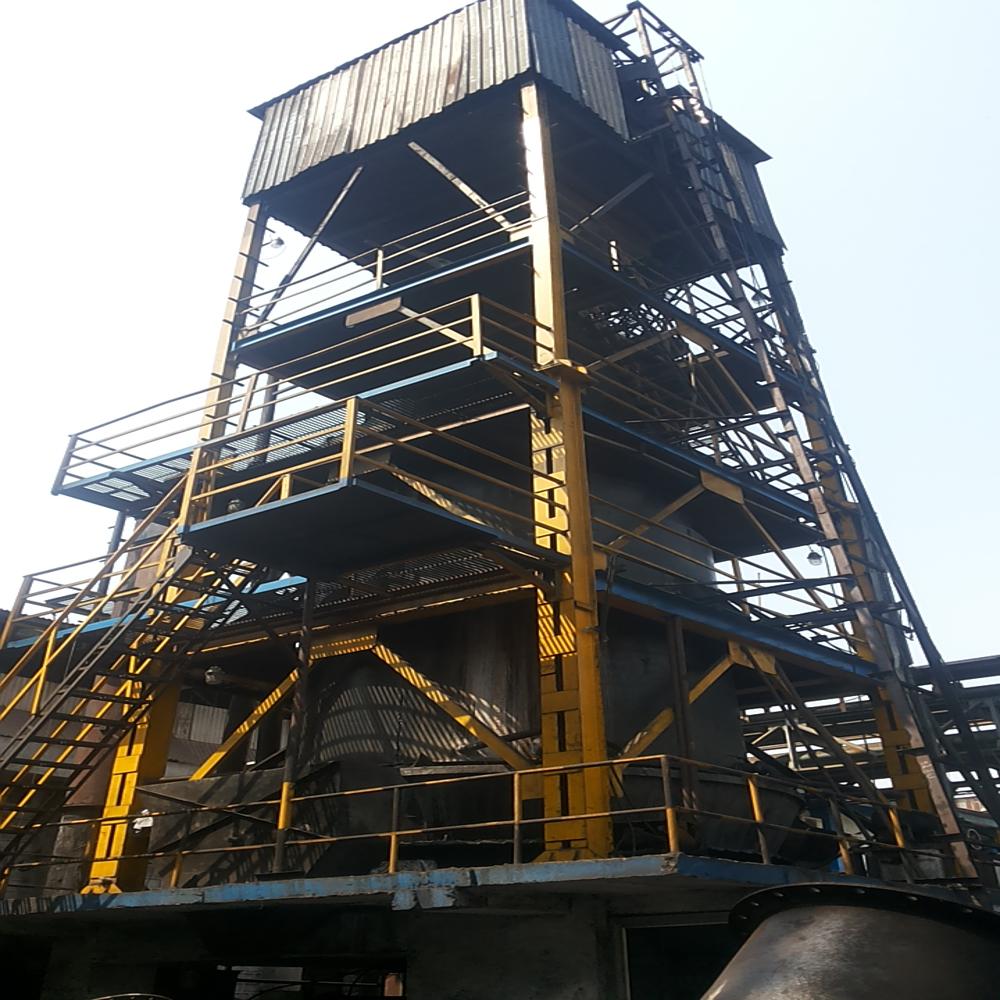
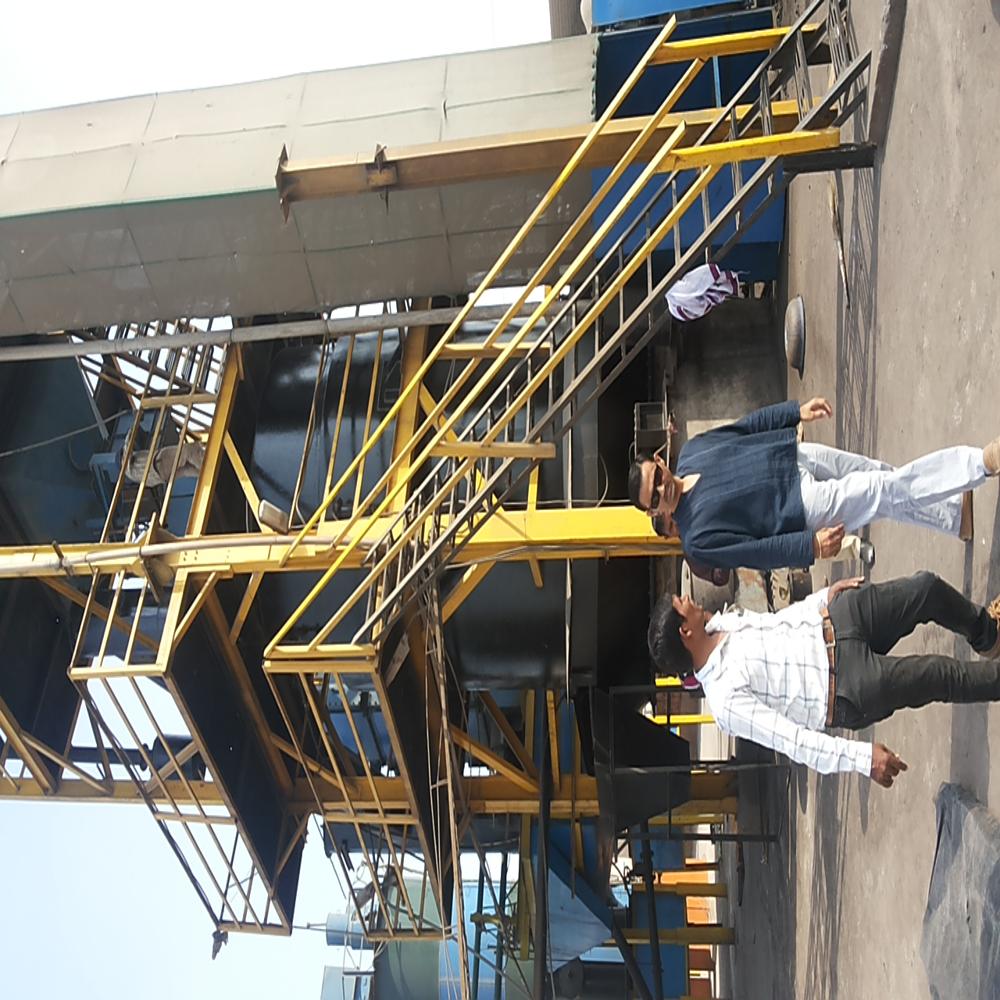
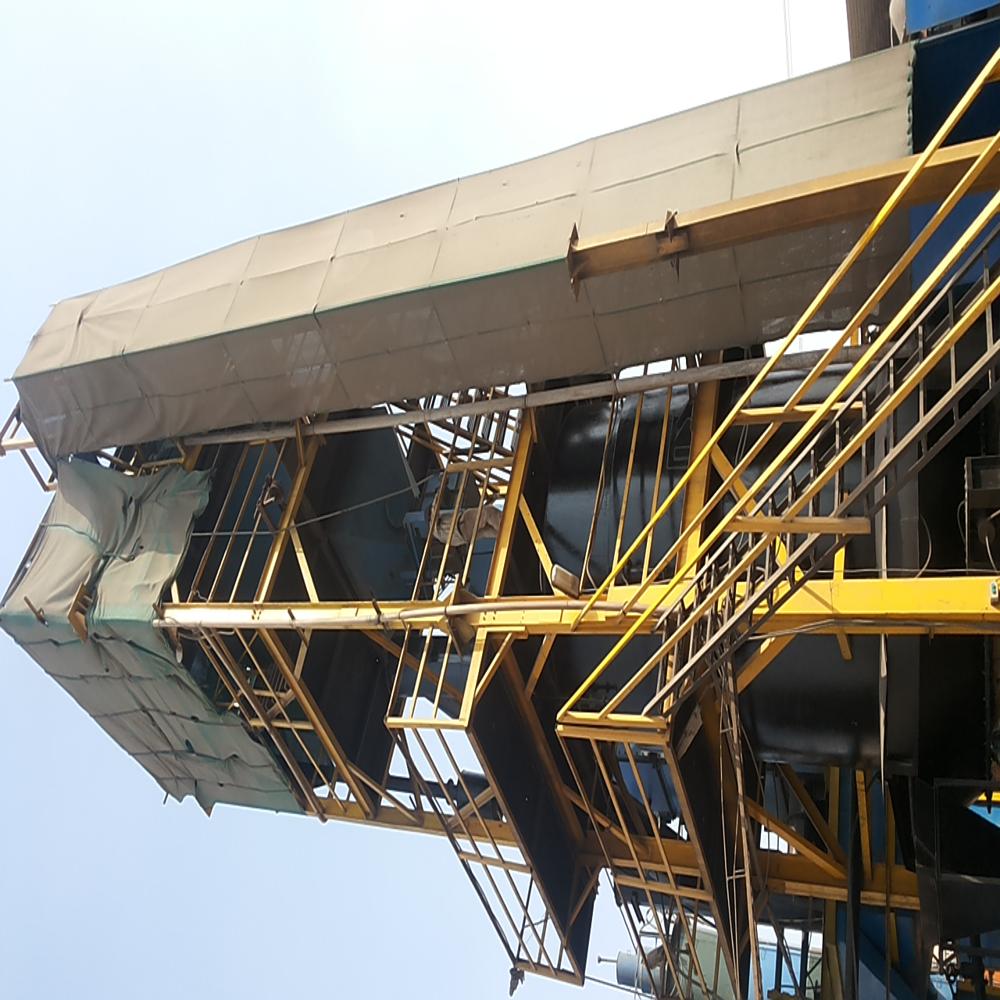
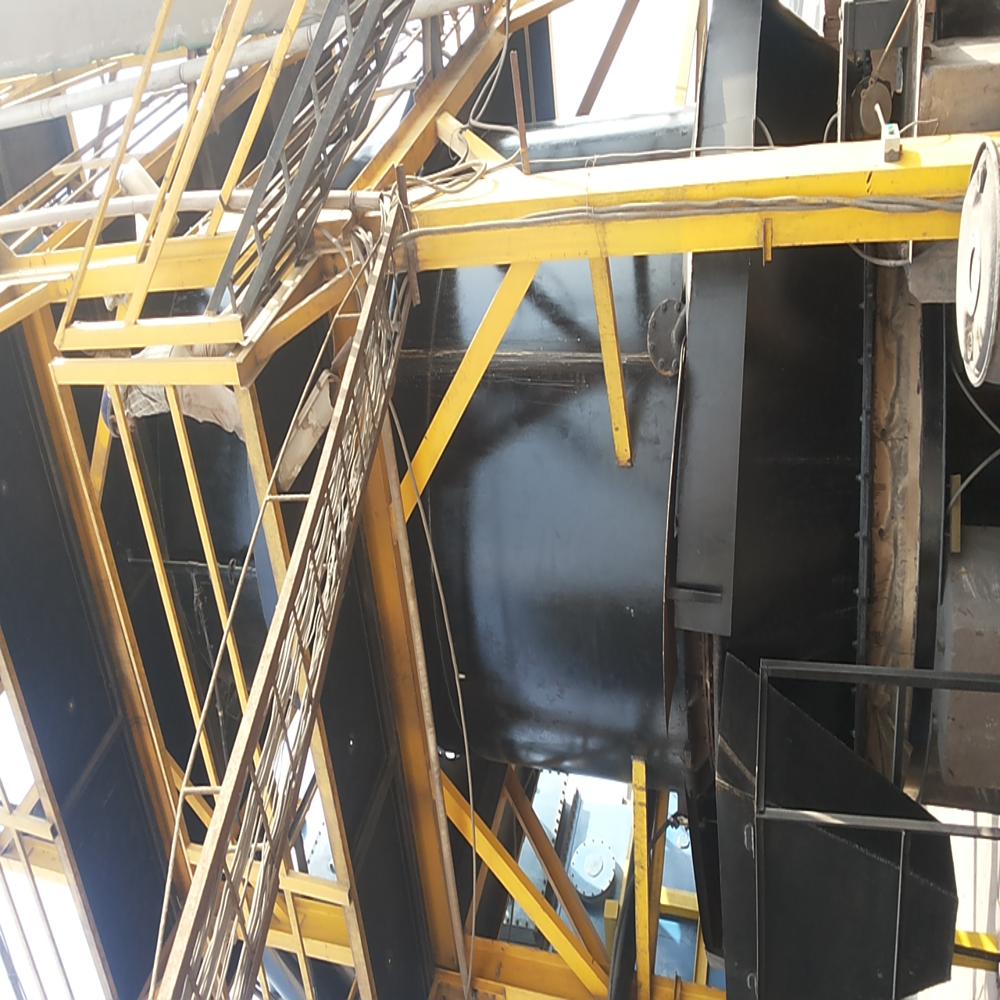
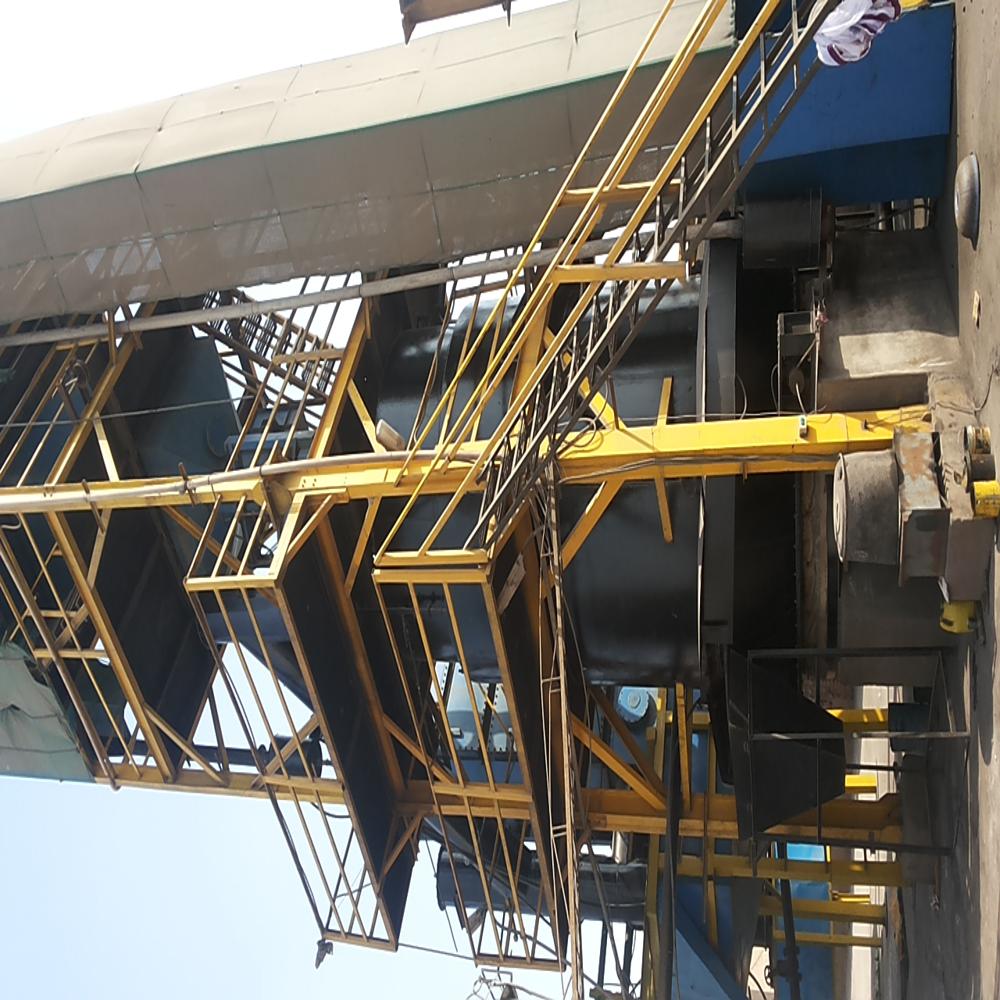
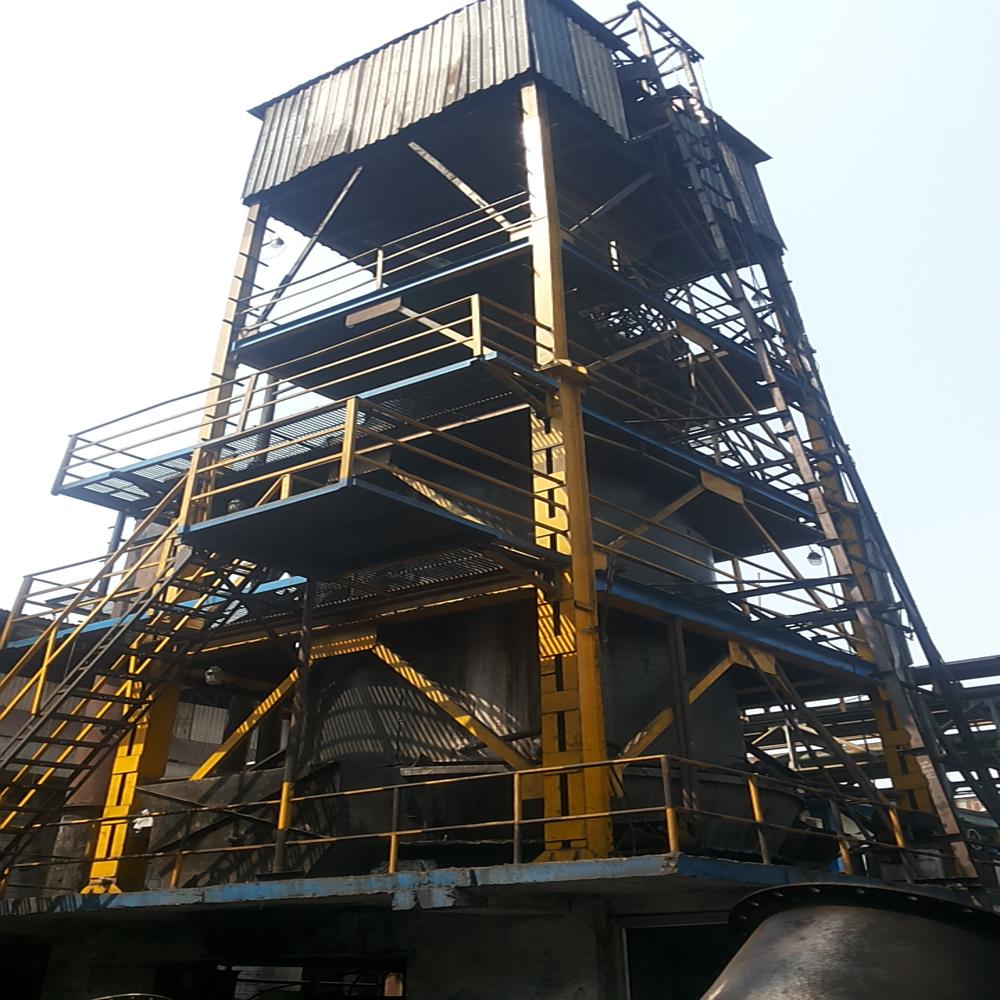
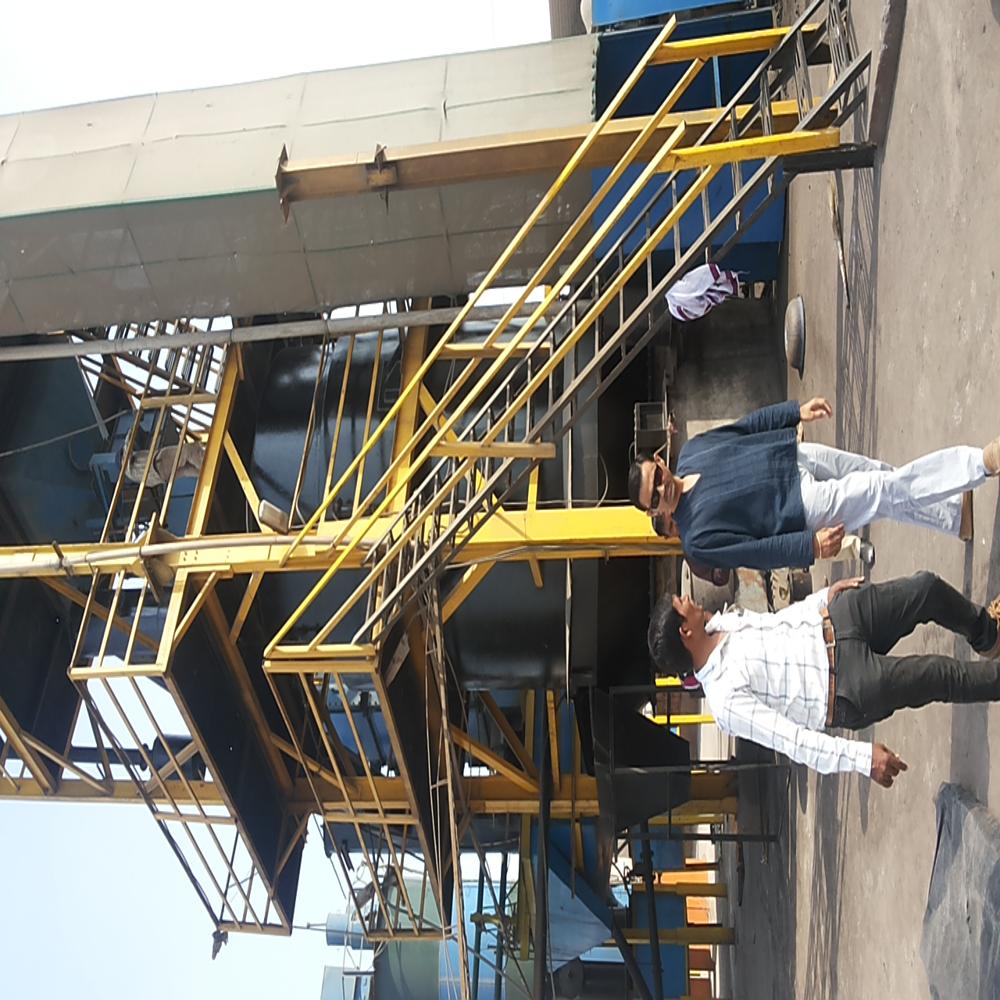
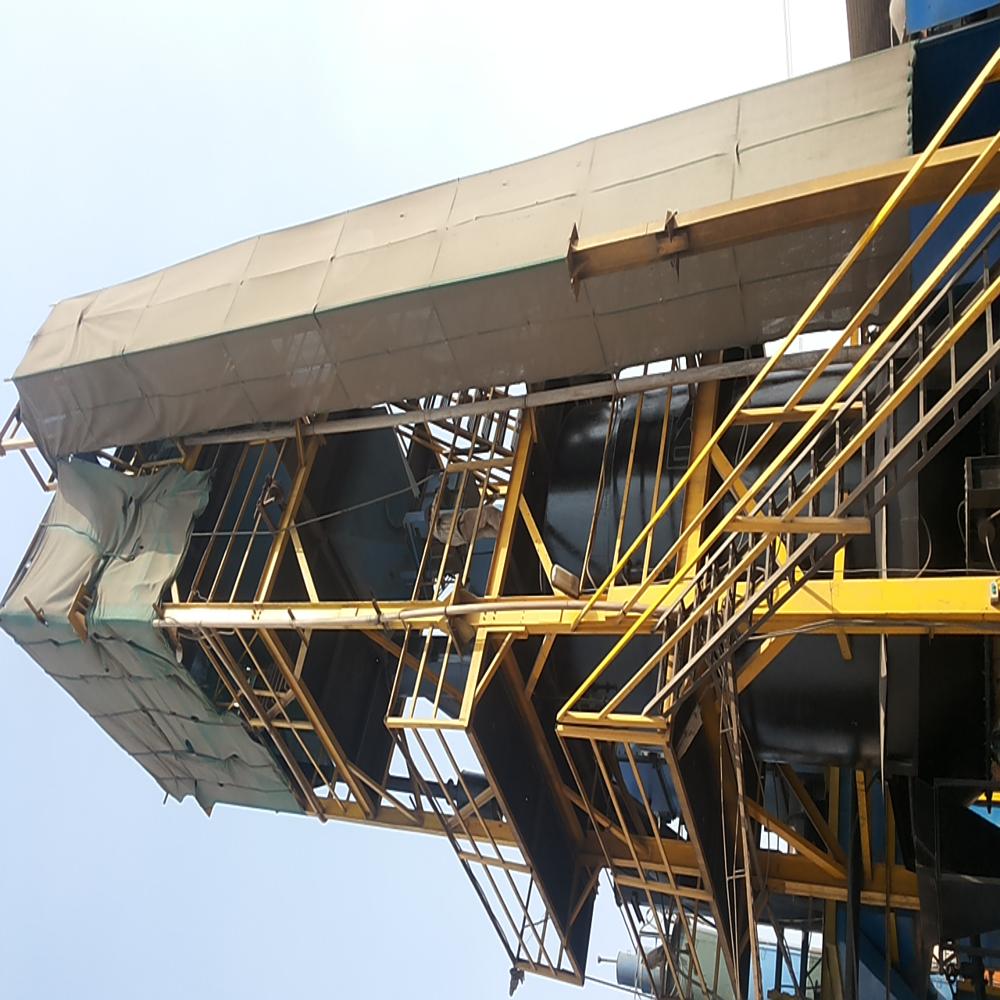
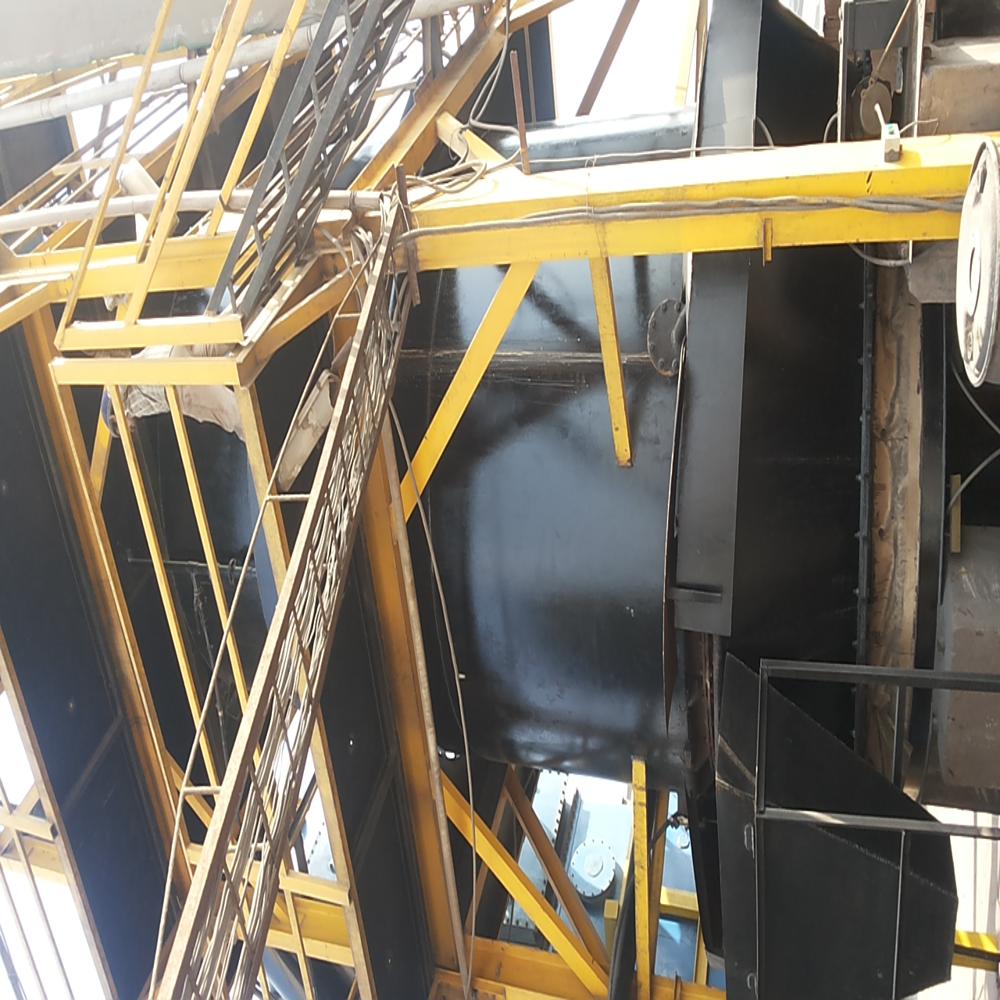
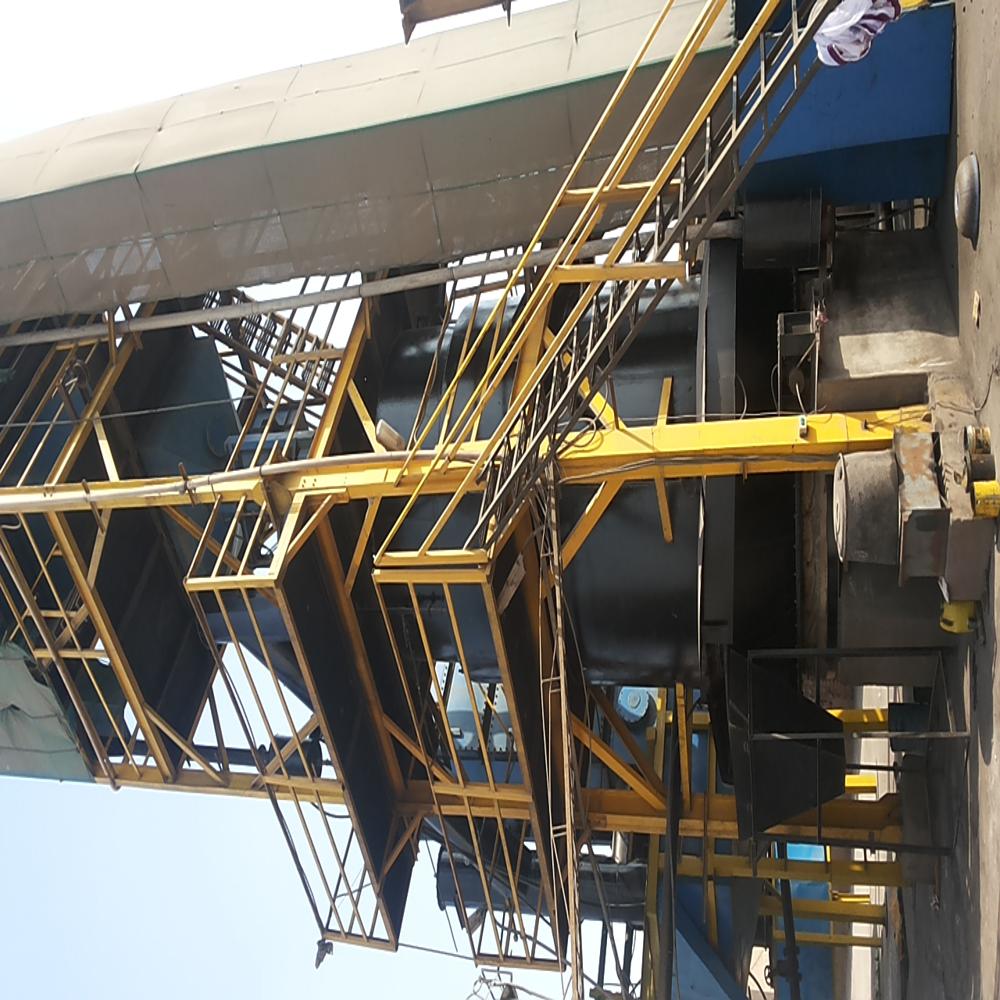
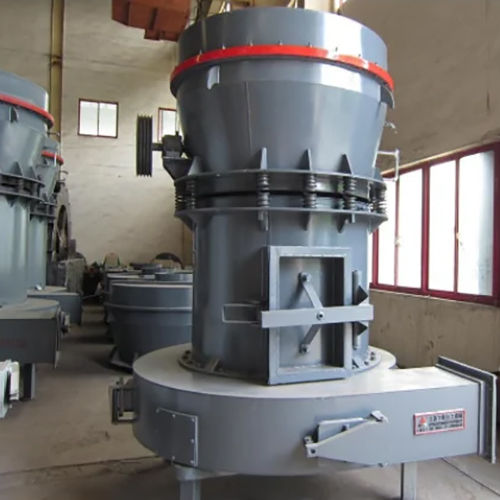
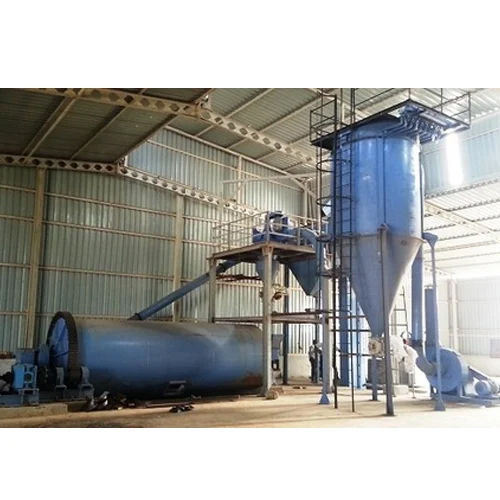
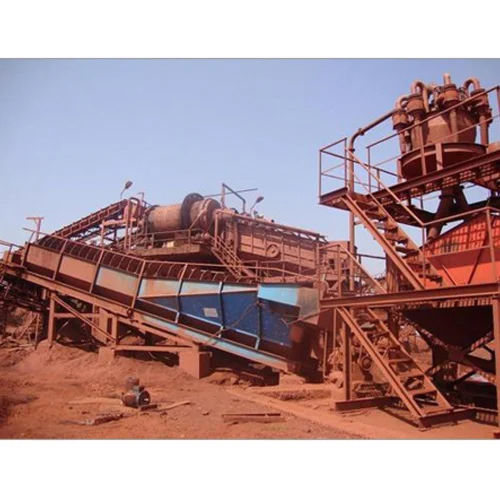
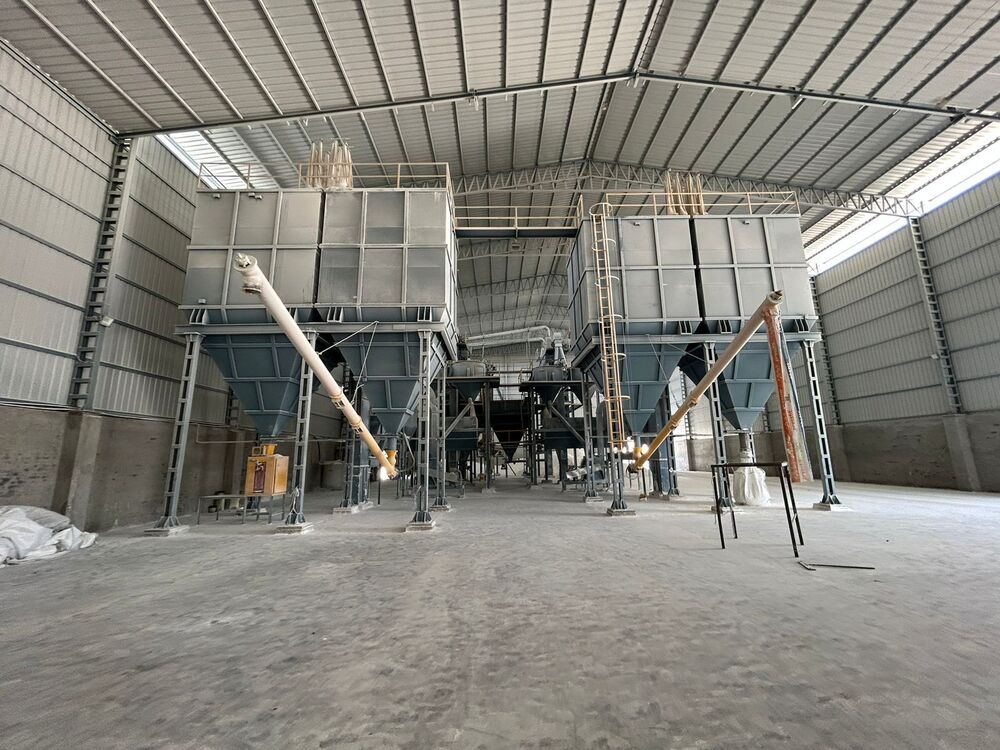
A Coal Gasifier Plant is a thermal conversion system that converts solid coal into combustible producer gas through a process called gasification. This gas is commonly used as a fuel for kilns, furnaces, dryers, boilers, and other industrial heating applications. The gas produced mainly consists of carbon monoxide (CO), hydrogen (H), methane (CH), carbon dioxide (CO), and nitrogen (N).
The coal gasification process takes place by partial combustion of coal in a limited supply of air or oxygen at high temperatures (typically 9001200C). Instead of complete combustion, coal reacts with air and steam to produce combustible gas.
Combustion Reaction
C + O CO + Heat
Reduction Reaction
CO + C 2CO
Water Gas Reaction
C + HO CO + H
Methanation Reaction
C + 2H CH
These reactions generate producer gas, which can then be used as a fuel for heating processes.
A typical coal gasifier system consists of the following equipment:
Sized coal is loaded into the coal hopper and gradually fed into the gasifier reactor.
The coal bed is ignited using diesel burners or electric igniters to start the gasification process.
Air is introduced through air nozzles at the bottom of the reactor. The coal reacts with air and steam at high temperatures, producing combustible producer gas.
The produced gas passes through:
This ensures the gas is clean and suitable for industrial use.
The cleaned gas is supplied to kilns, furnaces, boilers, or dryers as a fuel source.
Solid ash residues accumulate at the bottom and are periodically removed.
Common types of coal gasifiers include:
Most industrial plants for ceramic kilns, sponge iron, and thermal processes use fixed bed coal gasifiers.
| Parameter | Typical Range |
|---|---|
| Coal Size | 2080 mm |
| Temperature | 9001200C |
| Gas Calorific Value | 11001500 kcal/Nm |
| Working Pressure | 100400 mmWC |
| Gasification Rate | 2.53.5 kg/m |
Price: Â