Product Description
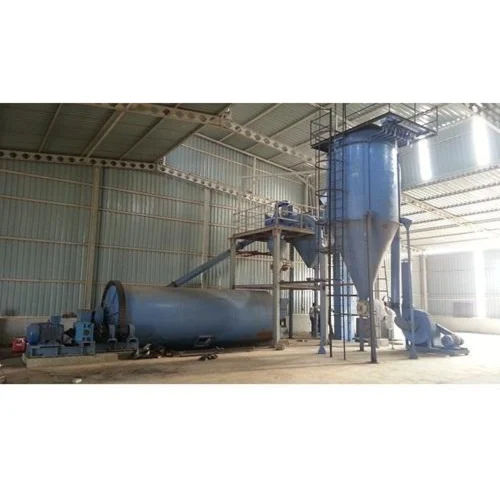
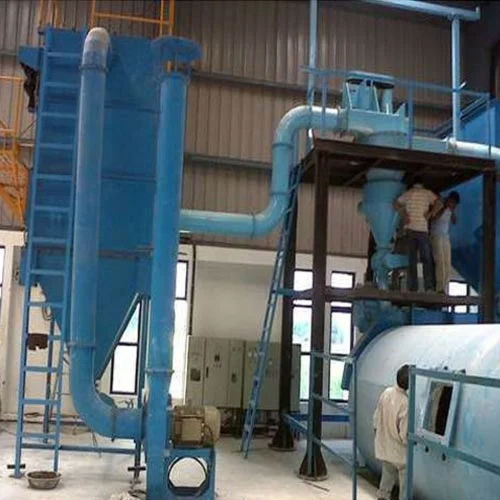
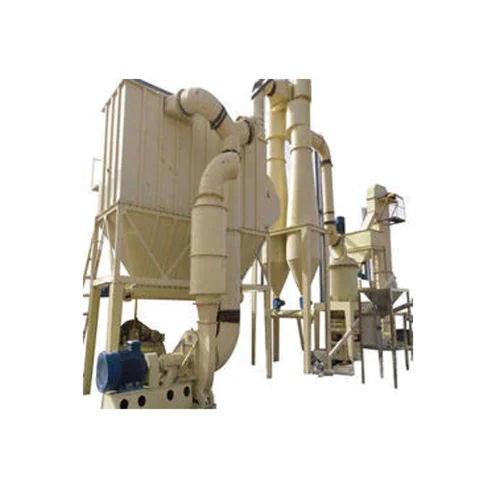
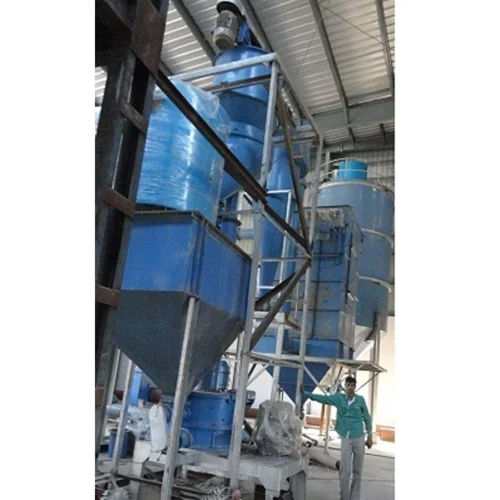
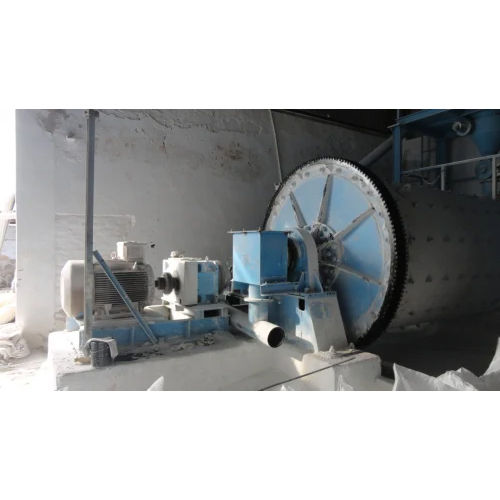
Barite Micronizing Plant is designed to reduce barite (barium sulfate) ore into fine, micron-sized particles for use in various industrial applications. Barite is a key mineral used in oil and gas drilling, paint manufacturing, rubber, plastics, pharmaceuticals, and more. The micronizing process involves crushing, grinding, and classifying the material to achieve ultra-fine powder with precise particle size distribution. These plants typically feature advanced grinding mills, classifiers, dust collection systems, and material handling units to ensure high efficiency and environmental compliance. The result is a consistent, high-purity barite powder that enhances product performance in its end-use industries. A well-designed barite micronizing plant offers benefits like improved throughput, minimal energy consumption, reduced waste, and the ability to meet diverse industry specifications. Investing in such a plant supports high-quality output, operational reliability, and sustainable mineral processing aligned with modern industrial needs.
Superior Micronizing PerformanceEngineered to process barite with input sizes up to 12 mm, the Barite Micronizing Plant delivers industrial-grade fine powder with output fineness as low as 2 microns. Its automated operation ensures consistent, high-quality results tailored to the specific requirements of industries demanding ultra-fine barite powder.
Robust Build and Efficient OperationConstructed from durable mild steel and coated for extra protection, this plant is designed for long-term operation under industrial conditions. Its low noise level and energy-efficient electric drive (220-440V, 50/60Hz) provide a productive yet quiet environment for continuous processing.
Comprehensive Support and Ease of UseWith a fully included control panel and automated features, operators can easily manage the production process. Comprehensive after-sales service, available for every installation, ensures smooth operation and rapid resolution of any issues, making the plant an asset for manufacturers, exporters, and suppliers across India.
FAQ's of Barite Micronizing Plant:
Q: How does the Barite Micronizing Plant process raw barite into ultra-fine powder?
A: The plant takes raw barite with a feeding size of up to 12 mm and processes it via specialized grinding and classification systems, reducing particle sizes to a fine powder with output fineness as low as 2 microns, ideal for various industrial applications.
Q: What industries commonly use this barite micronizing plant?
A: Industries such as oil and gas drilling, paint, rubber, plastics, and chemical manufacturing utilize the micronized barite powder produced by this plant due to its ultra-fine particle size and consistent quality.
Q: When is after-sales service available for this plant?
A: After-sales service is available after installation and throughout the product's operational lifecycle, providing technical support, maintenance, and spare parts as required to ensure continuous performance.
Q: Where can this micronizing plant be installed?
A: The plant is suitable for installation in factories, processing facilities, and industrial setups with access to a three-phase electric supply across India. Its automated design and robust construction make it versatile for different locations.
Q: What are the benefits of using a Barite Micronizing Plant with automatic control and low noise features?
A: Automatic controls increase operational efficiency and reliability, while the low noise feature creates a safer and more comfortable working environment for staff, minimizing disruptions during production.
Q: How do I operate the control panel included with the plant?
A: The control panel provides intuitive controls for starting, adjusting, and monitoring the plant. Detailed operation manuals and on-site training (if requested) are provided to ensure operators can effectively manage the plant.
Q: What is the process for maintaining the Barite Micronizing Plant?
A: Regular maintenance includes scheduled inspections, lubrication of moving parts, and replacement of wear components. The supplier offers guideline manuals and after-sales service support to keep the plant running optimally.








 Send Inquiry
 Send Inquiry
 Send SMS
 Call Me Free


