Product Description
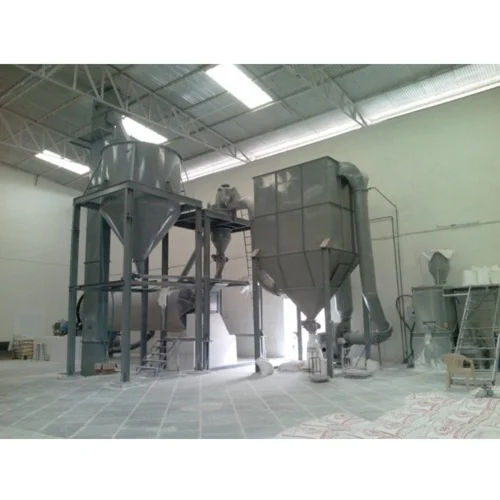
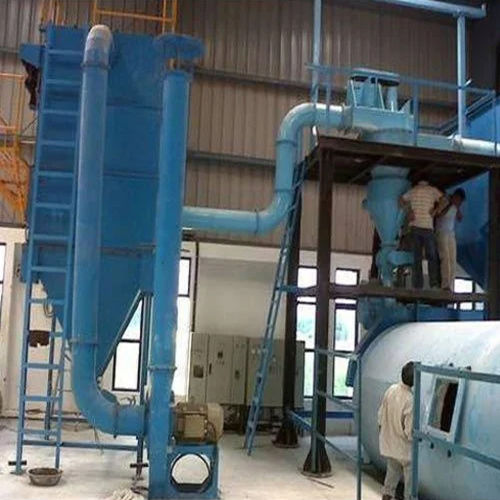
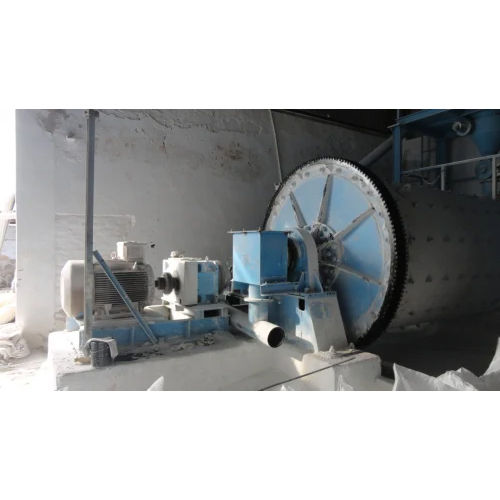
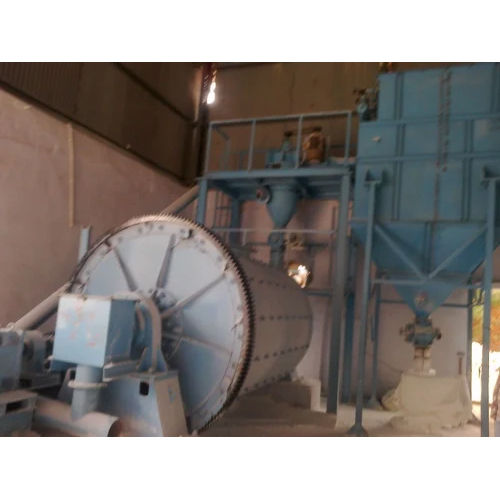
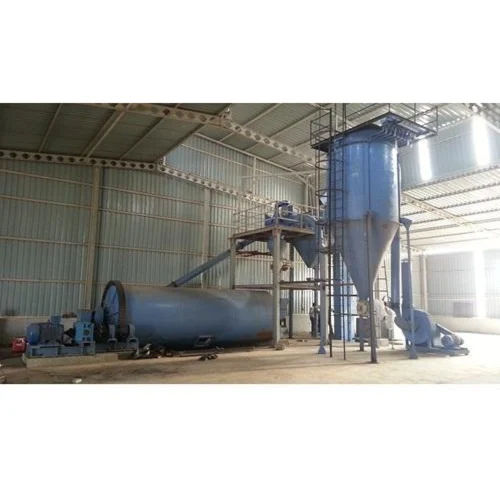
Calcium Carbonate Micronizing Plant with Air Classification is a specialized industrial setup designed for the fine grinding and precise separation of calcium carbonate particles. This plant uses advanced micronizing techniques to reduce the mineral to ultra-fine particles, essential for industries like paint, plastic, paper, rubber, and pharmaceuticals. The integrated air classification system ensures that only particles of the desired size are collected, while coarser material is sent back for re-grinding. This closed-loop process guarantees consistency in product quality and particle size distribution. The plant operates with high efficiency, low energy consumption, and minimal environmental impact. Its robust design allows continuous, dust-free operation and easy maintenance. The result is a highly pure, fine calcium carbonate powder suitable for high-end industrial applications. With customizable configurations, the system meets varying production capacities and quality standards, offering a reliable and cost-effective solution for businesses in need of micronized mineral processing.
Precision Micronization for Advanced ApplicationsThis air classification plant delivers consistent particle size reduction down to 2 microns, making it ideal for sectors requiring high-performance powders. The advanced air classifier technology ensures optimal fineness and purity, supporting critical uses in mineral processing, pharmaceuticals, chemicals, and food production.
Innovative Design for Continuous OperationEngineered with an integrated air cooling system and cyclone separator, this plant operates efficiently while maintaining low temperatures to prevent material degradation. The paint-coated mild steel body ensures corrosion resistance and durability, all while the PLC-based control panel allows seamless automation and safety.
Tailored Solutions and Reliable SupportWith customizable capacity from 500 kg/hr to 5 ton/hr and on-site installation offered across India, this plant is adaptable to a variety of industrial needs. The user-friendly, low maintenance design makes it suitable for distributors, exporters, manufacturers, and service providers aiming for consistent micronized product quality.
FAQ's of Calcium Carbonate Micronizing Plant Air Classification Plant:
Q: How does the Calcium Carbonate Micronizing Plant achieve fine particle sizes?
A: The plant uses an advanced air classifier mill to process feed material of up to 10 mm, reducing it to ultrafine particles ranging from 2 microns to 15 microns. The air classification technology ensures separation of fines, resulting in consistent and precise microns for demanding industrial applications.
Q: What industries typically benefit from using this air classification plant?
A: Industries such as mineral processing, chemicals, pharmaceuticals, pigments, and food manufacturing benefit from this plant's ability to deliver controlled and uniform micronized materials, supporting improved product quality and enhanced process efficiency.
Q: When should I consider customizing the production rate of the plant?
A: Customization is ideal when your production demand varies or when processing different materials with specific throughput requirements. The plant allows rates from 500 kg/hr up to 5 ton/hr, providing versatility for both small-scale and large-scale operations.
Q: Where can the Calcium Carbonate Micronizing Plant be installed?
A: The plant is designed for on-site installation at industrial facilities across India. Expert installation services ensure seamless commissioning, integration, and adaptation to your workspace requirements.
Q: What is the process for separating and collecting dust in this plant?
A: Dust generated during micronization is efficiently captured using a cyclone separator in conjunction with a bag filter system. This ensures a clean working environment and minimizes product and material loss.
Q: How is the operation of the plant controlled and monitored?
A: An automatic PLC-based control panel provides real-time monitoring and process control, enhancing operational safety, precision, and productivity while allowing easy adjustment to process parameters as needed.
Q: What are the main benefits of using a low maintenance design?
A: A low maintenance design minimizes downtime and operational costs, ensuring the plant runs smoothly with minimal intervention. Reliable components and robust construction contribute to long-term dependability and reduced maintenance requirements.








 Send Inquiry
 Send Inquiry
 Send SMS
 Call Me Free


