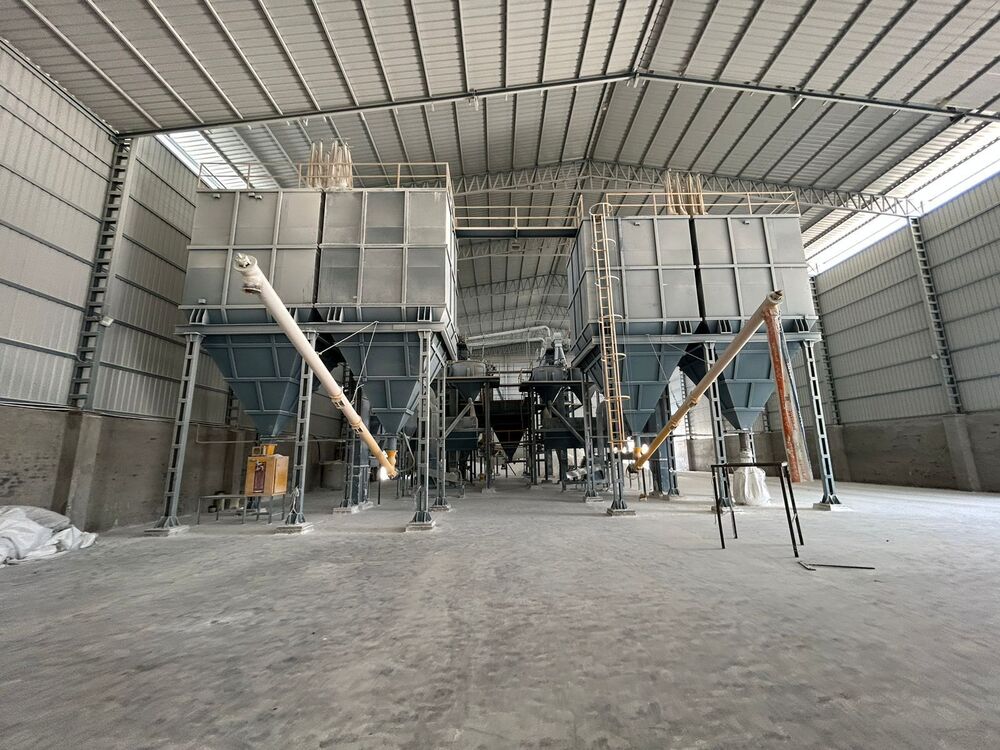
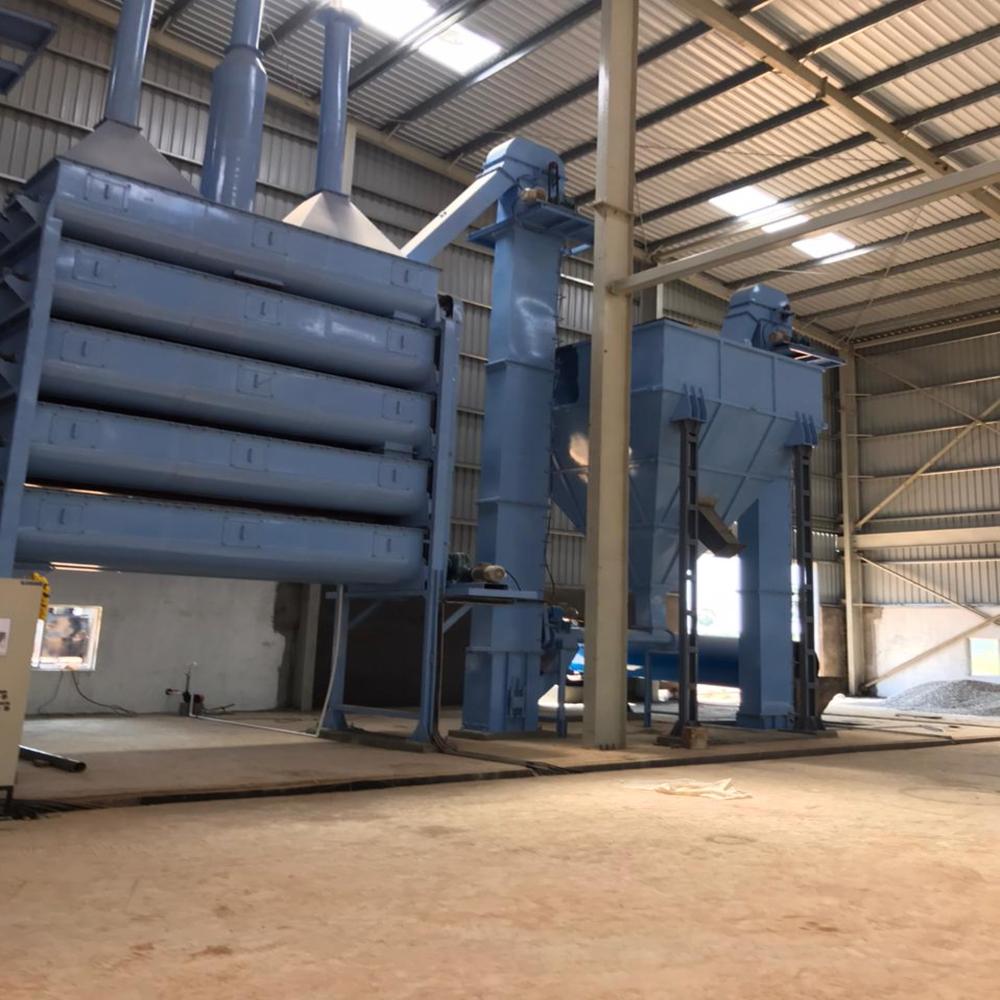
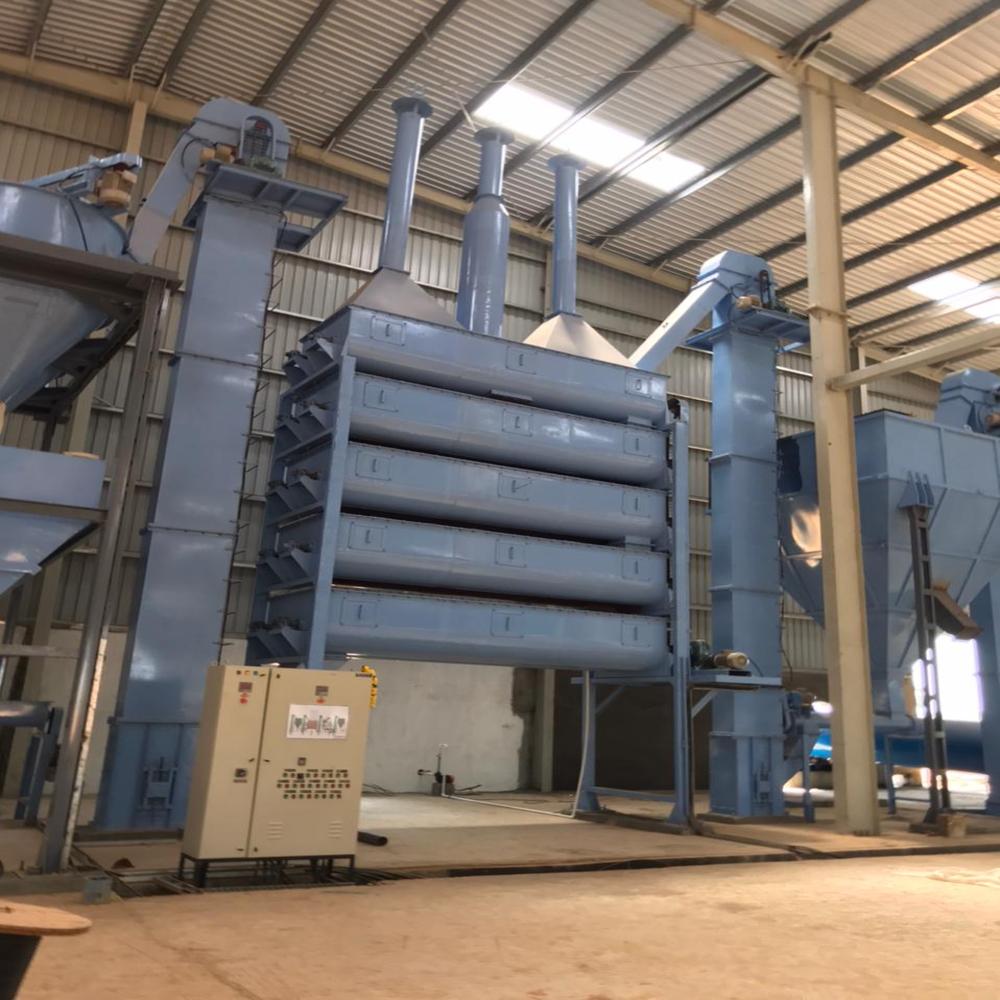
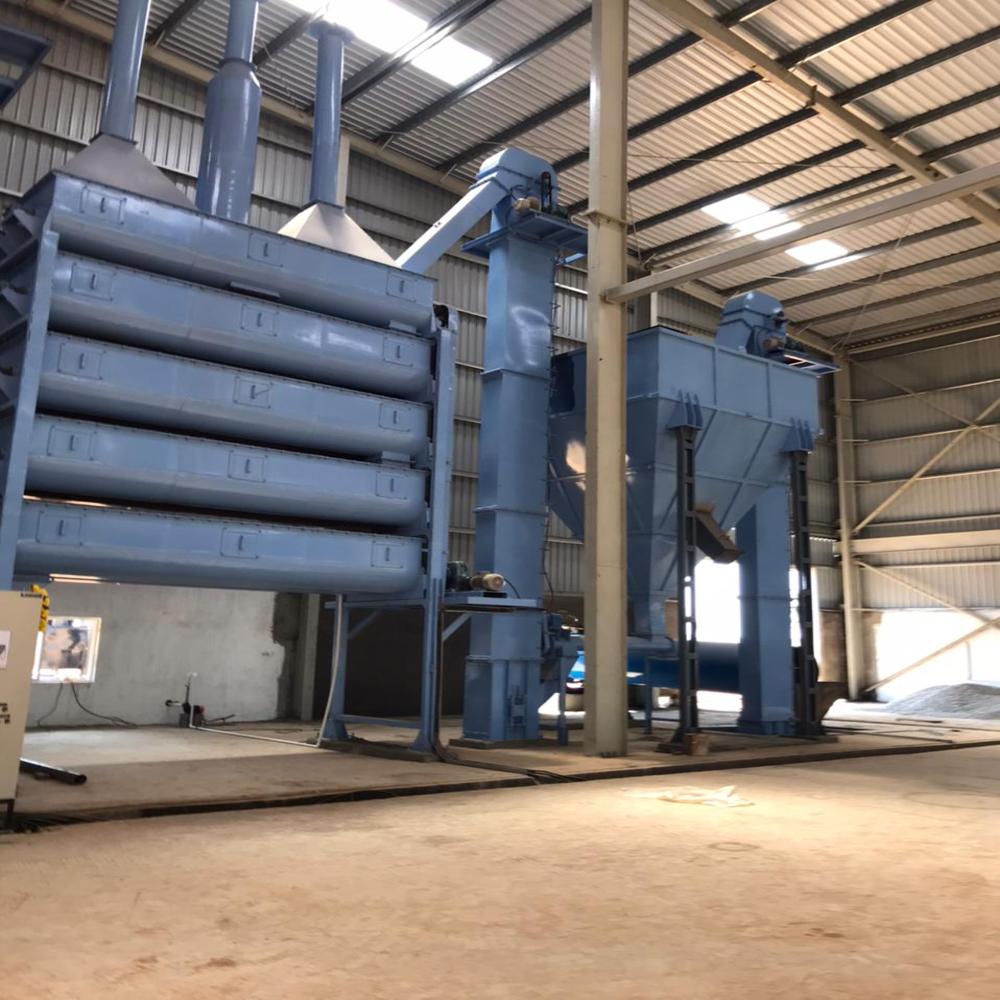
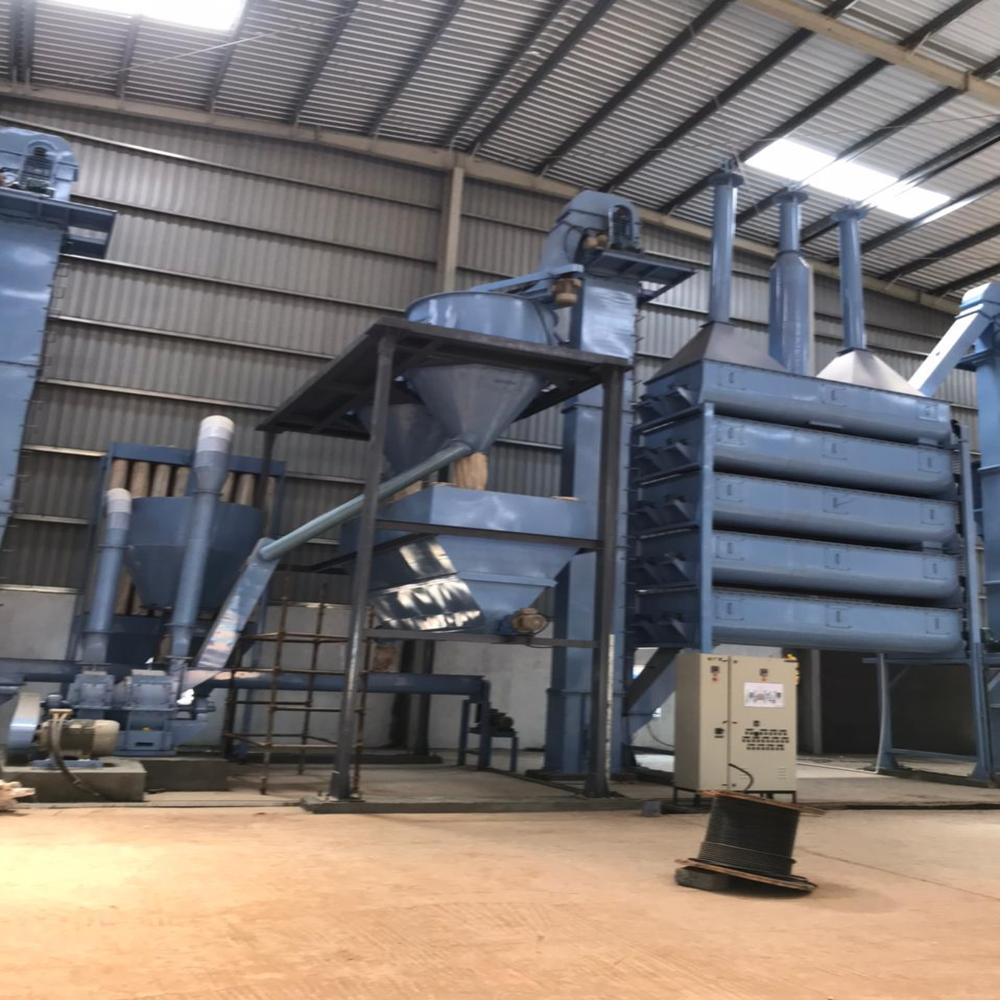
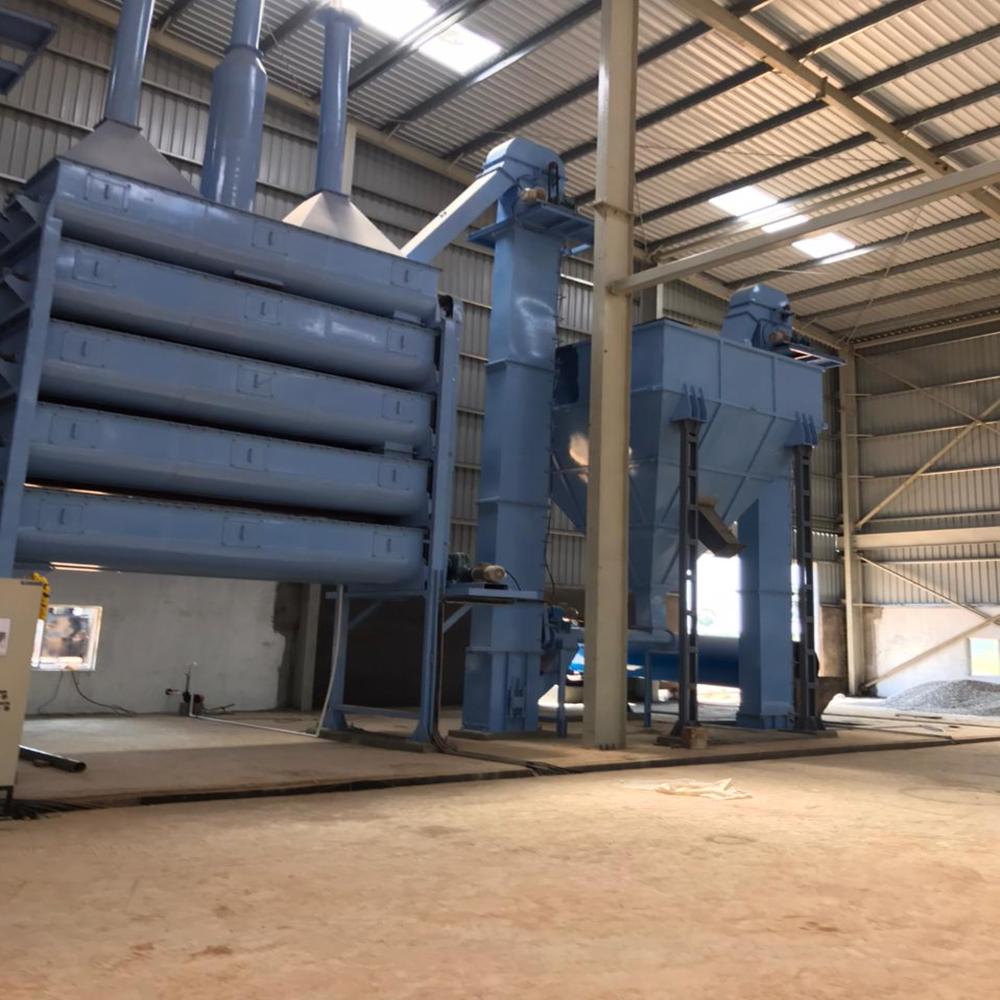
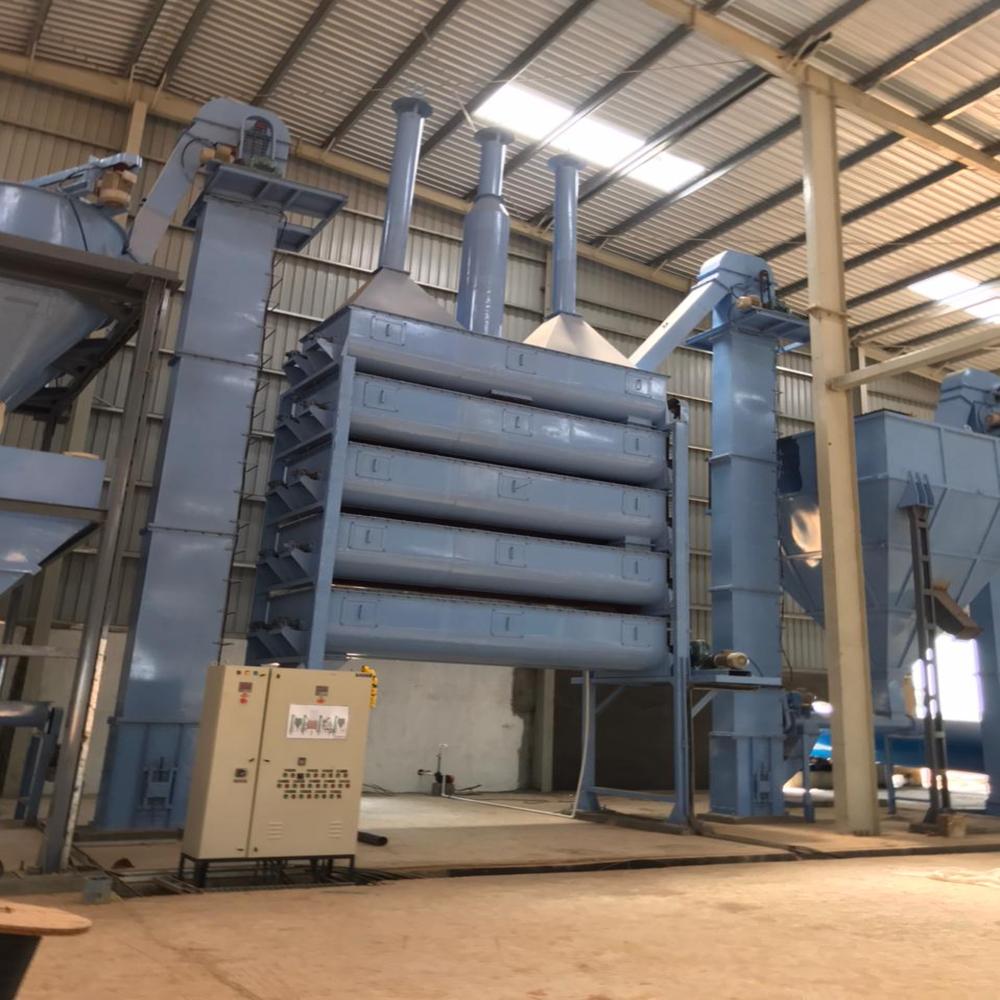
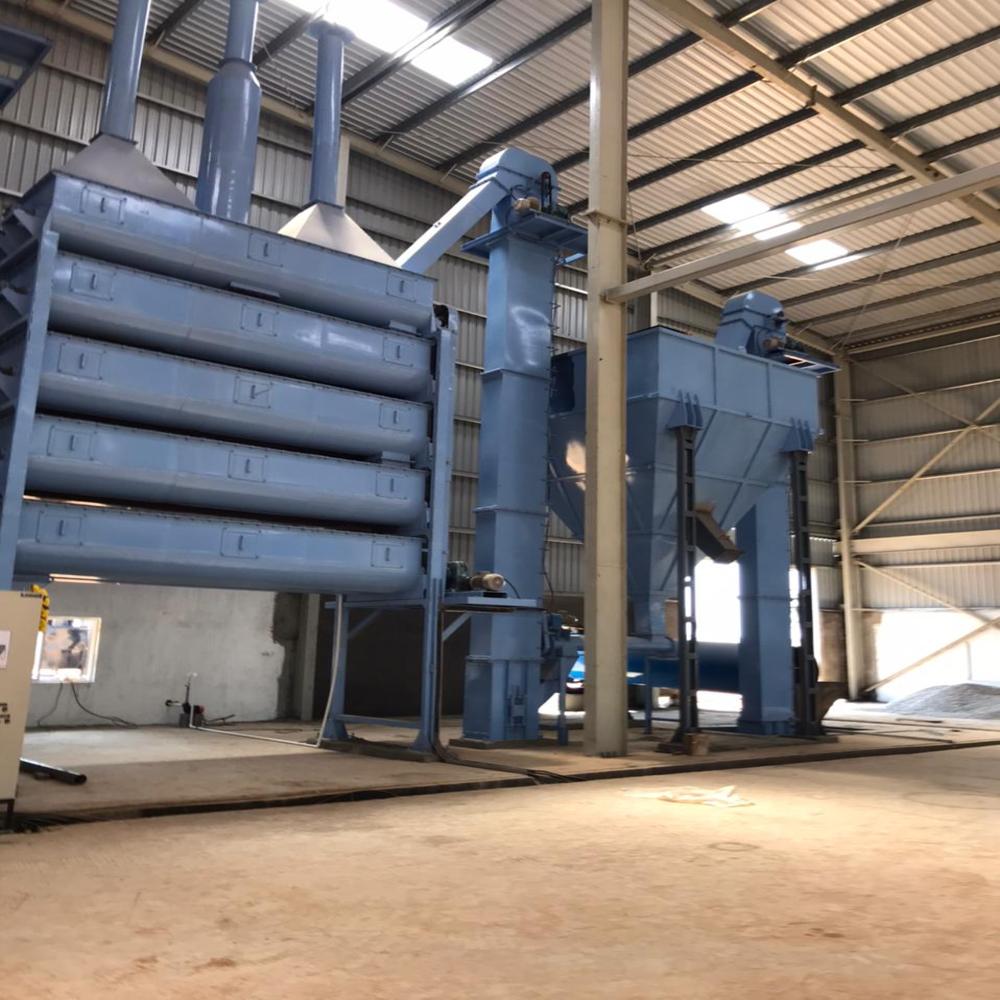
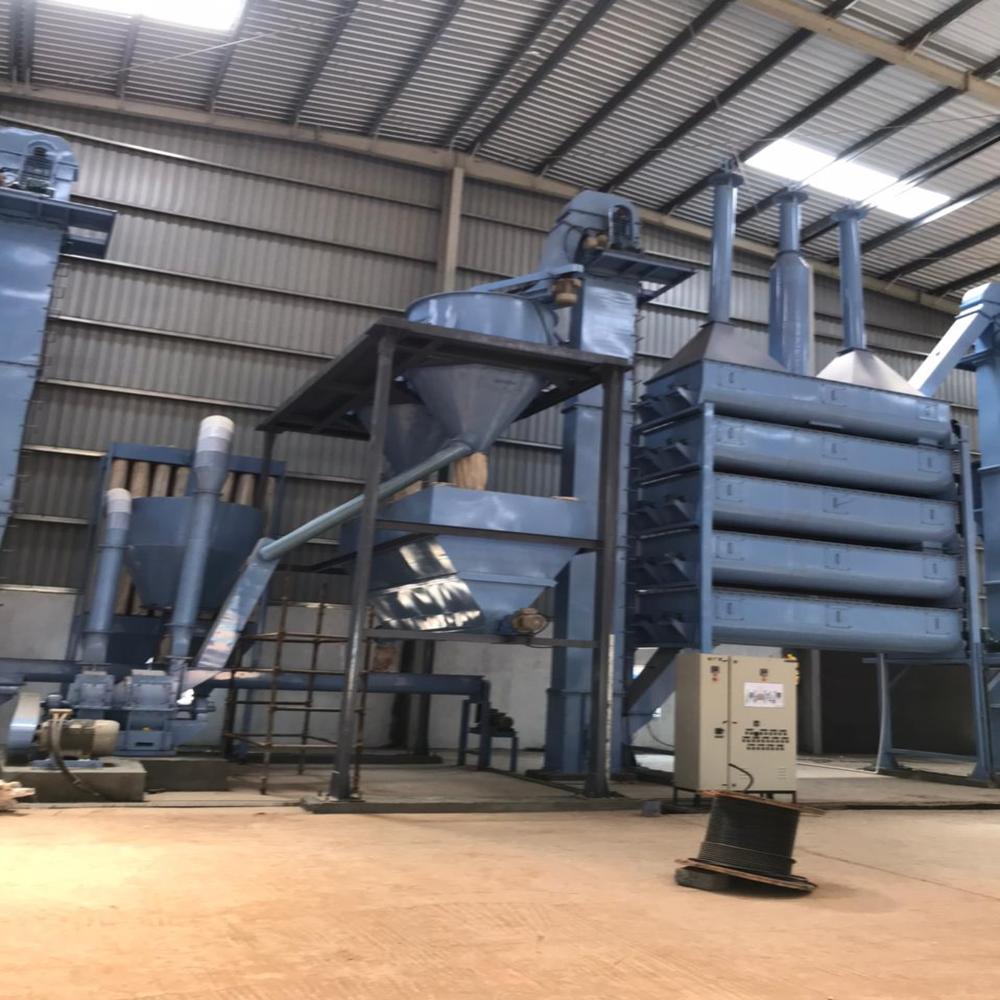
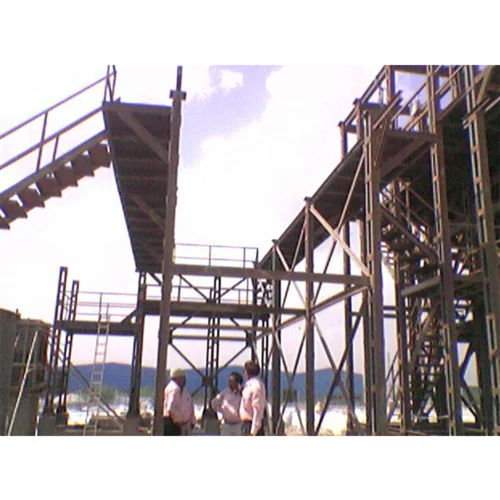
A Hydration Plant is used for the production of Hydrated Lime (Calcium Hydroxide Ca(OH)) by reacting Quicklime (Calcium Oxide CaO) with water in a controlled process called hydration or slaking. Hydrated lime is widely used in industries such as water treatment, flue gas desulfurization, chemical manufacturing, steel plants, sugar plants, construction, and environmental applications.
The hydration process involves a chemical reaction between quicklime and water. When water is added to quicklime, it produces hydrated lime along with heat.
CaO + HO Ca(OH) + Heat
This reaction is exothermic, meaning it releases a significant amount of heat. Therefore, the process must be carefully controlled to maintain proper temperature, moisture content, and particle size to produce high-quality hydrated lime powder.
A typical hydration plant consists of the following major equipment:
Quicklime (CaO) is fed from the storage hopper into the hydrator using a feeder system.
Measured water is injected into the hydrator. The amount of water is carefully controlled to ensure proper hydration.
Inside the hydrator, quicklime reacts with water to form hydrated lime (Ca(OH)). The reaction generates heat and breaks the lime particles into fine powder.
The material is continuously mixed inside the hydrator to ensure uniform reaction and proper particle size formation.
The hydrated lime passes through a separator where fine particles are separated from coarse materials.
Fine dust generated during the process is collected through bag filters and recycled into the system.
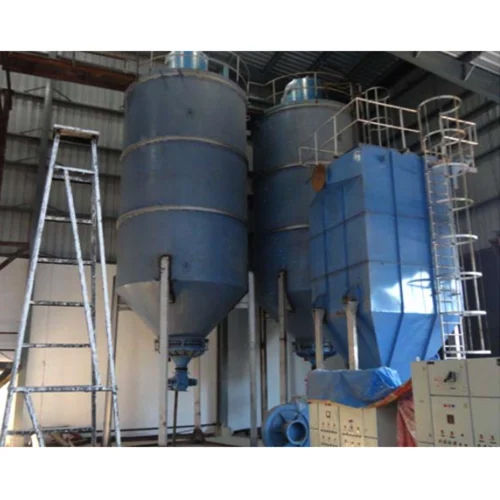
The final hydrated lime product is stored in silos and then packed in bags or supplied in bulk.
Common types include:
| Parameter | Typical Range |
|---|---|
| Quicklime Size | 010 mm |
| Hydration Temperature | 90120C |
| Product Fineness | 200400 mesh |
| Moisture Content | <1% |
| Reaction Time | 1030 minutes |
Price: Â