Product Description
Hydration Plant Description and Operation
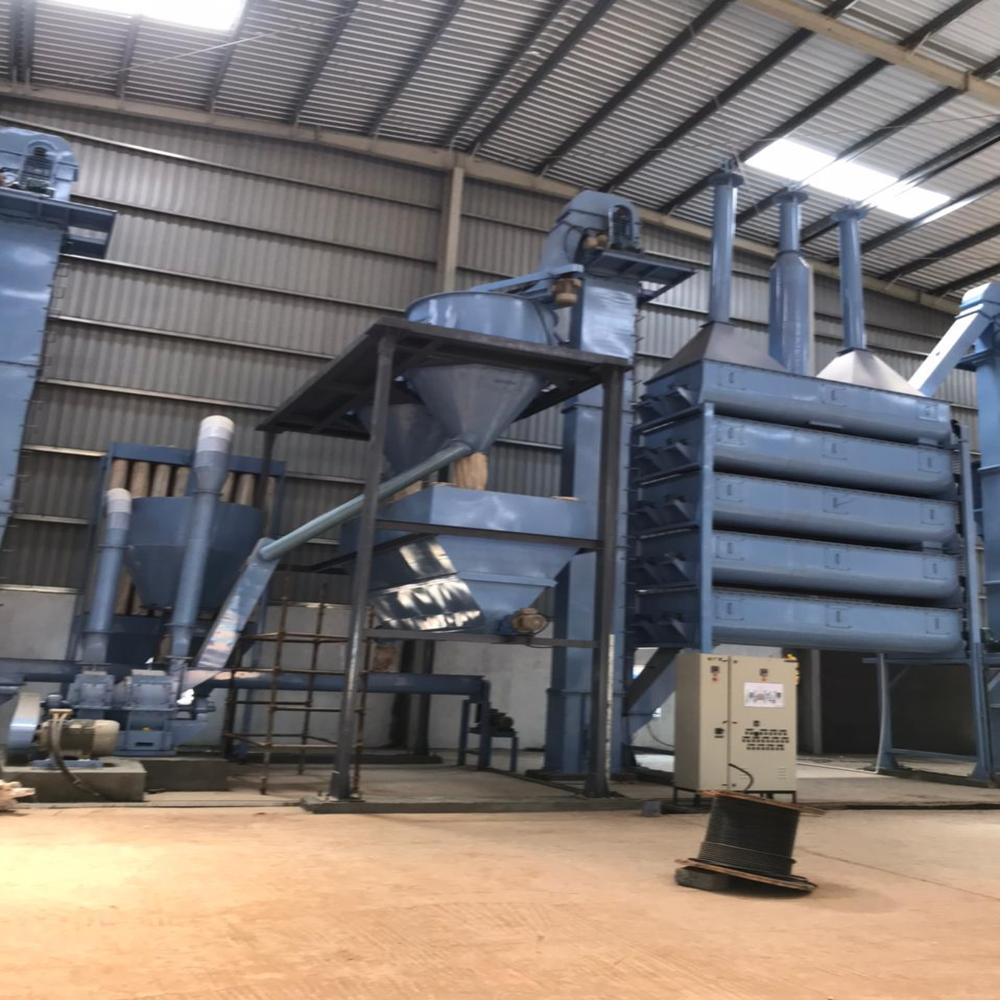
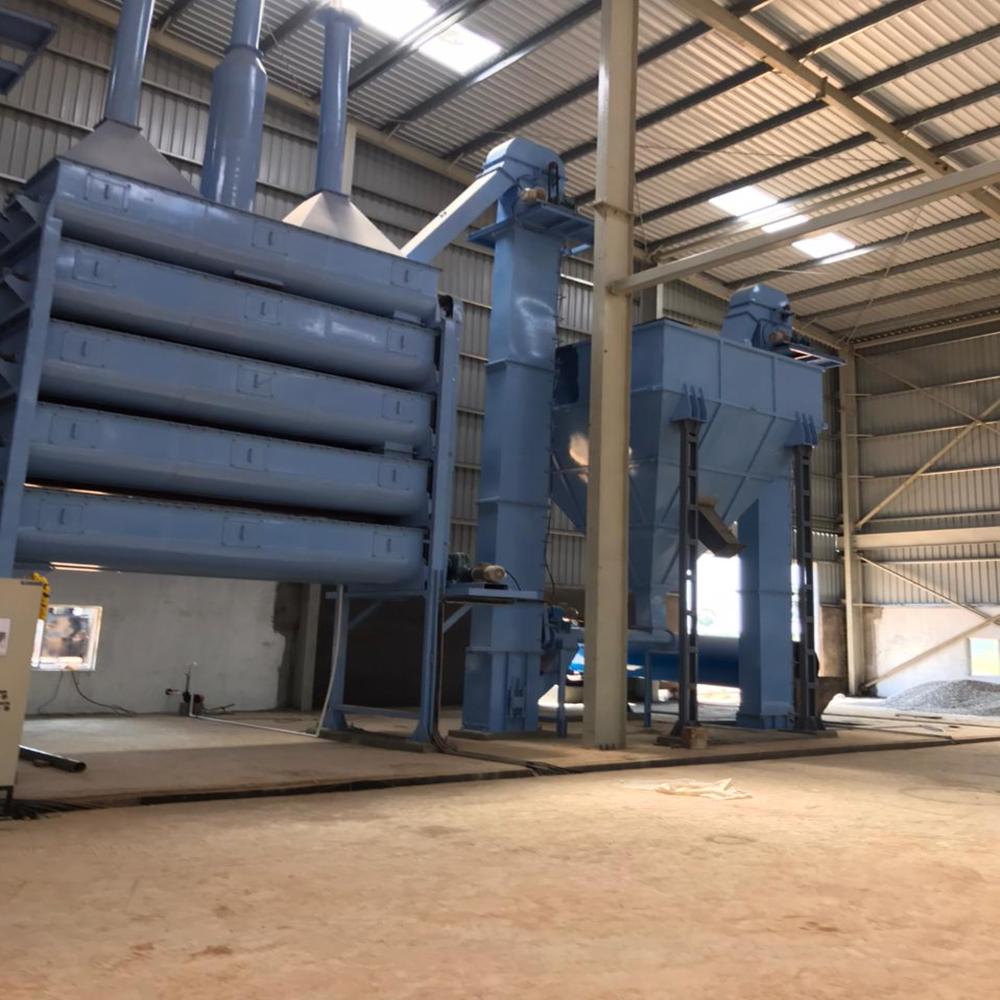
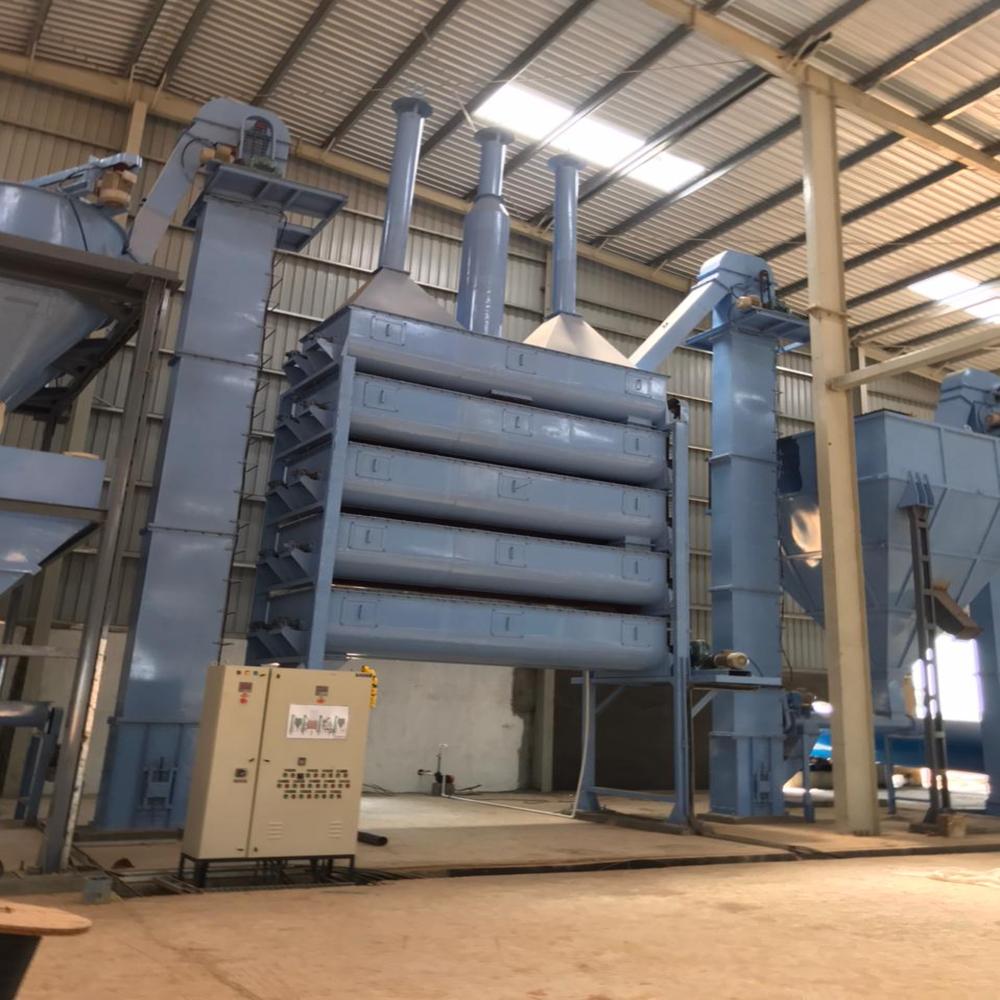
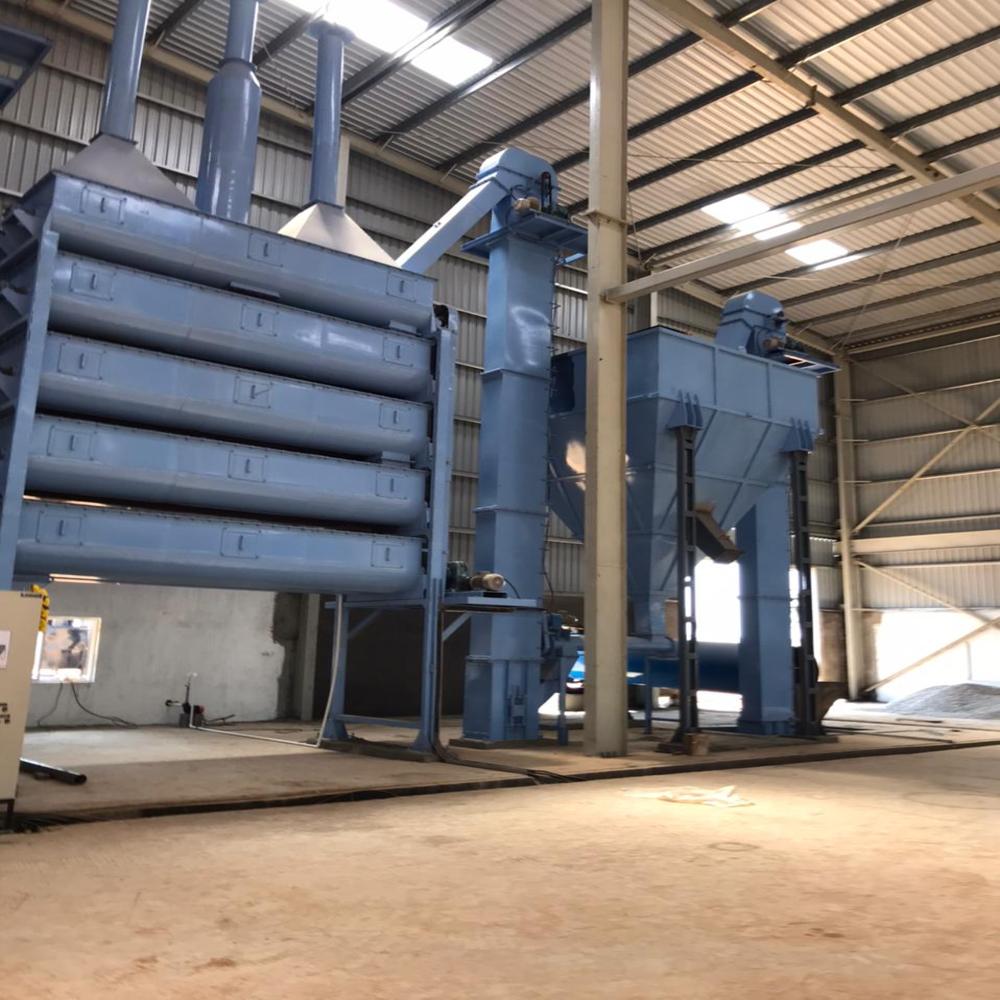
A Hydration Plant is used for the production of Hydrated Lime (Calcium Hydroxide Ca(OH)) by reacting Quicklime (Calcium Oxide CaO) with water in a controlled process called hydration or slaking. Hydrated lime is widely used in industries such as water treatment, flue gas desulfurization, chemical manufacturing, steel plants, sugar plants, construction, and environmental applications.
1. Working Principle of Hydration Plant
The hydration process involves a chemical reaction between quicklime and water. When water is added to quicklime, it produces hydrated lime along with heat.
Chemical Reaction
CaO + HO Ca(OH) + Heat
This reaction is exothermic, meaning it releases a significant amount of heat. Therefore, the process must be carefully controlled to maintain proper temperature, moisture content, and particle size to produce high-quality hydrated lime powder.
2. Main Components of a Hydration Plant
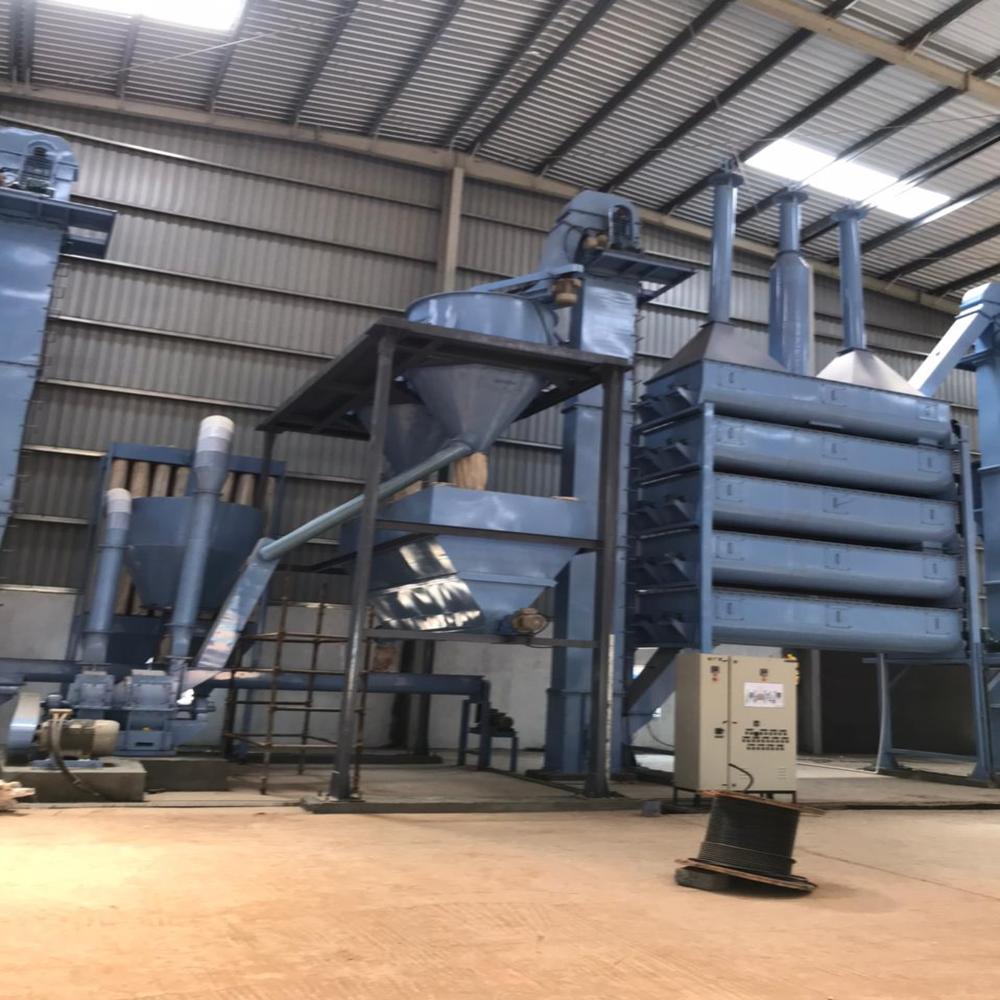
A typical hydration plant consists of the following major equipment:
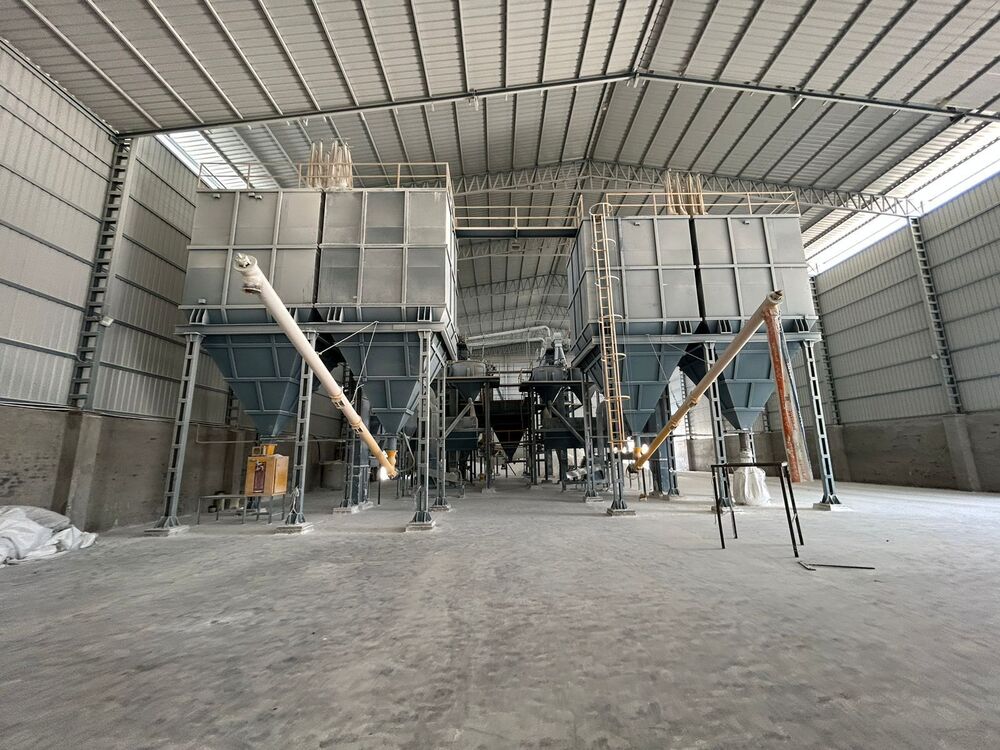
1. Quicklime Storage Hopper
- Used for storing quicklime lumps or powder.
- Equipped with vibrators and feeders for controlled feeding.
2. Lime Feeder System
- A screw feeder or belt feeder regulates the flow of quicklime into the hydrator.
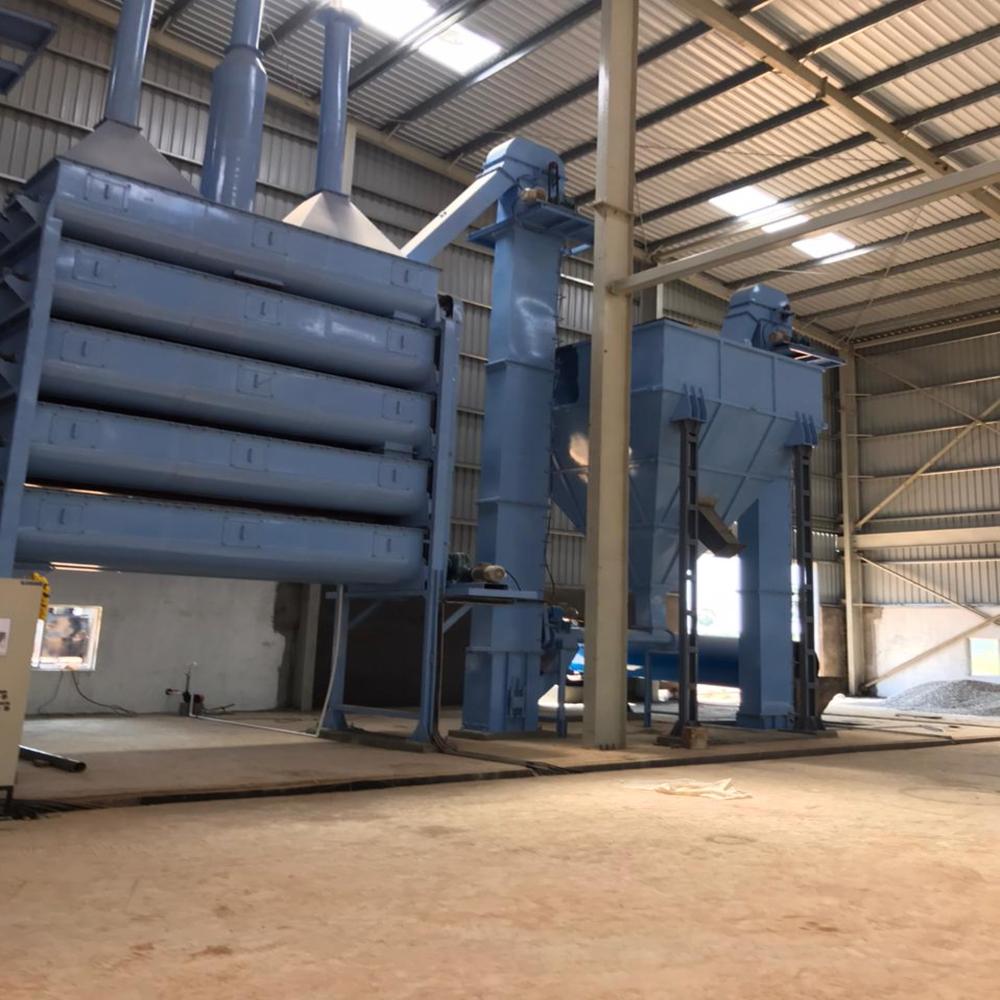
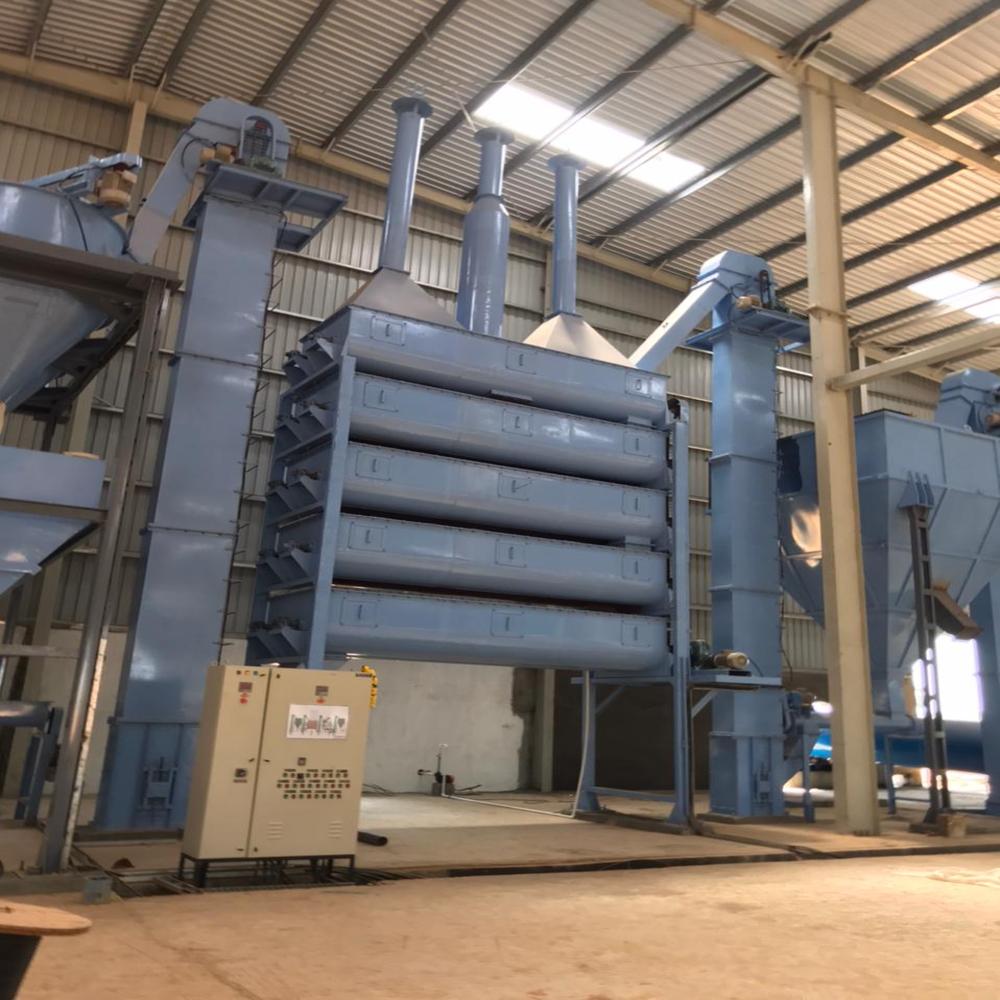
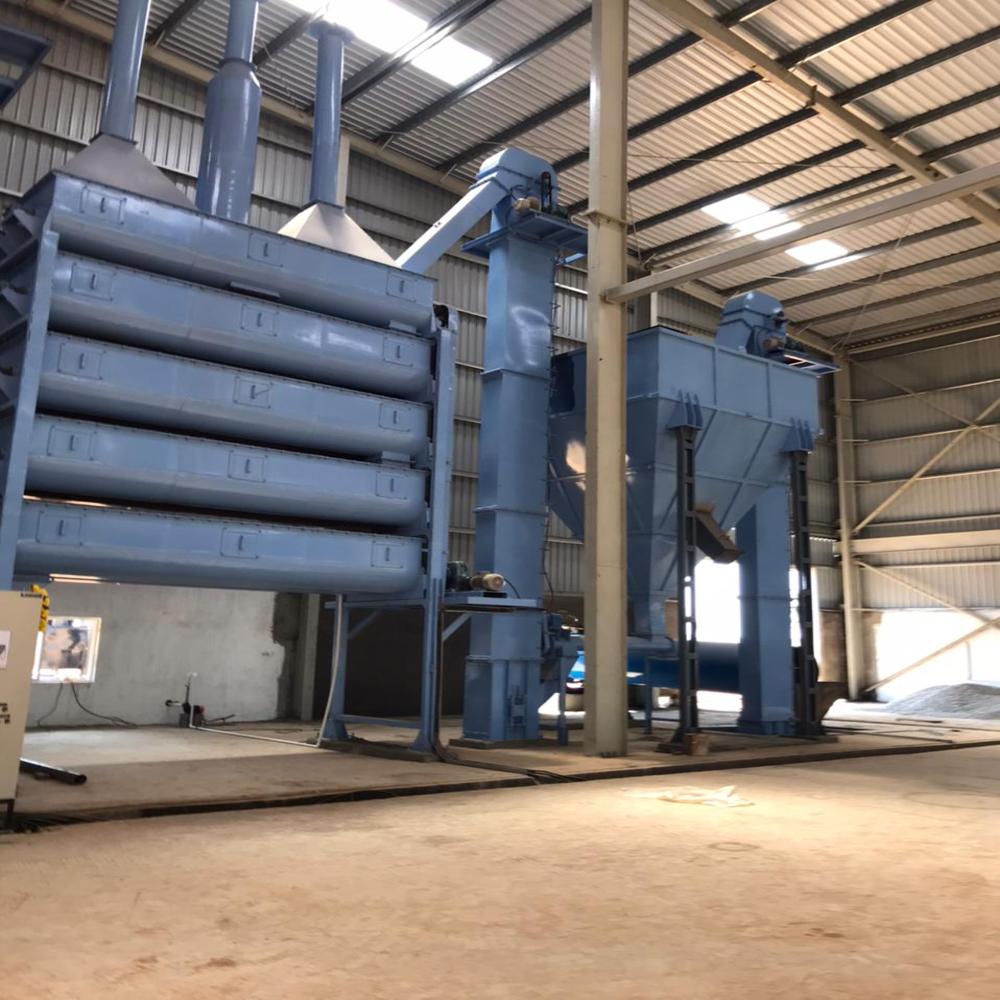
3. Hydrator (Slaker Reactor)
- The main equipment where quicklime reacts with water.
- Water is sprayed in a controlled quantity.
- The reaction converts quicklime into hydrated lime powder.
4. Hydrated Lime Separator
- A classifier or separator separates fine hydrated lime from coarse particles.
5. Grinding / Pulverizing System
- Coarse particles may pass through a grinding mill to achieve the required fineness.
6. Dust Collection System
- Bag filters or cyclones collect fine dust and maintain environmental safety.
7. Storage Silo
- Final hydrated lime powder is stored in silos before packing or further use.
8. Packing System
- Hydrated lime is packed in 25 kg / 50 kg bags or stored in bulk silos.
3. Operation of Hydration Plant
Step 1 Feeding of Quicklime
Quicklime (CaO) is fed from the storage hopper into the hydrator using a feeder system.
Step 2 Water Injection
Measured water is injected into the hydrator. The amount of water is carefully controlled to ensure proper hydration.
Step 3 Hydration Reaction
Inside the hydrator, quicklime reacts with water to form hydrated lime (Ca(OH)). The reaction generates heat and breaks the lime particles into fine powder.
Step 4 Material Mixing and Residence Time
The material is continuously mixed inside the hydrator to ensure uniform reaction and proper particle size formation.
Step 5 Classification
The hydrated lime passes through a separator where fine particles are separated from coarse materials.
Step 6 Dust Collection
Fine dust generated during the process is collected through bag filters and recycled into the system.
Step 7 Storage and Packing
The final hydrated lime product is stored in silos and then packed in bags or supplied in bulk.
4. Types of Hydration Plants
Common types include:
- Batch Type Hydrator
- Suitable for small capacity plants.
- Operation done in batches.
- Continuous Hydration Plant
- Suitable for large industrial capacities.
- Continuous feeding and discharge.
5. Typical Operating Parameters
| Parameter |
Typical Range |
| Quicklime Size |
010 mm |
| Hydration Temperature |
90120C |
| Product Fineness |
200400 mesh |
| Moisture Content |
<1% |
| Reaction Time |
1030 minutes |
6. Advantages of Hydration Plant
- High quality fine hydrated lime production
- Continuous and automated operation
- Low manpower requirement
- Efficient dust control system
- High production efficiency
Advanced Computerized OperationOur Hydration Plant features seamless automation through a sophisticated PLC control system. This ensures precise process management, minimizes manual intervention, and enhances production consistency. Operators benefit from intuitive controls and efficient monitoring, maximizing uptime and productivity.
High Capacity and Sturdy DesignProcessing up to 10 tons per day, this plant meets the demands of large-scale operations. Crafted from durable steel and weighing 15,000 kg, it promises long-term stability and resilience. Its robust construction supports rigorous industrial use while maintaining optimal safety standards.
Comprehensive Industrial SupportAs a reputable supplier and manufacturer in India, we offer complete pre-sales guidance, professional installation, and after-sales service. Our team ensures seamless integration of the hydration plant into your system, with export and distribution support for clients worldwide.
FAQ's of Hydration Plant:
Q: How does the computerized PLC control enhance the plant's operation?
A: The PLC (Programmable Logic Controller) system automates the entire hydration process, allowing for real-time monitoring, consistent quality control, and reduced manual errors. This boosts efficiency and streamlines production.
Q: What is the main process involved in this Hydration Plant?
A: The plant hydrates raw materials through a controlled, computer-driven system, ensuring each batch receives precise amounts of water and processing time, resulting in uniform and high-quality output.
Q: When is this plant most suitable for industrial use?
A: It is ideal for businesses requiring continuous, high-volume hydration-particularly in industries where precision and product consistency are critical. Its large 10 tons/day capacity suits demanding operations.
Q: Where can the Hydration Plant be installed?
A: The plant is designed for installation in industrial environments, manufacturing units, and processing facilities. Our team provides support for on-site setup throughout India and for international clients.
Q: What are the key benefits of choosing an automatic, steel-built hydration plant?
A: Among its advantages are improved operational efficiency, reduced labor costs, consistent product output, and durability-thanks to its robust steel construction and advanced control system.
Q: How do users operate and maintain this plant?
A: Operators use the intuitive PLC interface to monitor and control processes, while automated systems reduce routine maintenance requirements. Standard cleaning and inspection schedules further ensure dependable performance.
Q: What support and warranty coverage is provided with the Hydration Plant?
A: We offer a comprehensive one-year warranty and ongoing technical support, including installation guidance, troubleshooting, and maintenance, ensuring peace of mind for all customers.








 Send Inquiry
 Send Inquiry
 Send SMS


